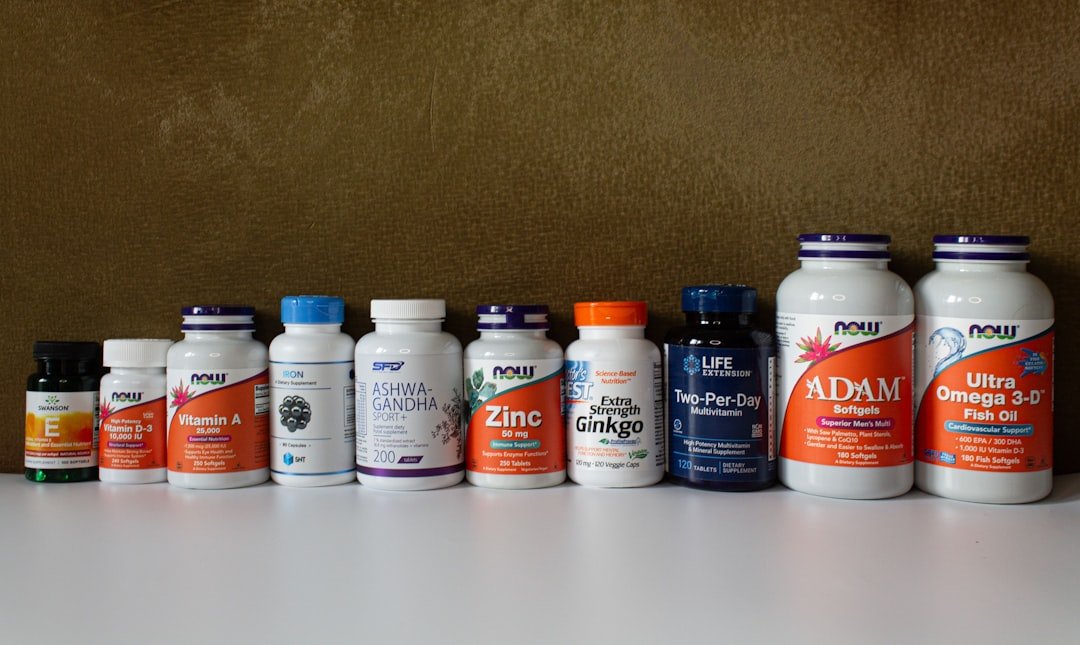
Gastric bypass surgery is a significant procedure for obesity treatment, leading to substantial weight loss and health improvements. This surgery modifies the digestive system, reducing stomach size and altering food passage, which directly affects nutrient absorption. Vitamins and minerals become critically important after gastric bypass due to these anatomical changes.
Without proper supplementation, patients may experience serious deficiencies resulting in fatigue, anemia, compromised immunity, and bone density problems. The reduced absorption capacity following surgery necessitates a strategic approach to nutritional management. Healthcare providers typically recommend regular blood tests to monitor nutrient levels and detect deficiencies early.

This monitoring is essential for preventing long-term health complications. Patients require customized supplementation regimens that address their specific nutritional needs, supporting both recovery from surgery and ongoing health maintenance. Proper vitamin and mineral supplementation is fundamental to achieving the full benefits of gastric bypass while minimizing potential nutritional complications.
Key Takeaways
- Vitamins are crucial after gastric bypass surgery to support overall health and prevent deficiencies.
- Vitamin D and calcium are essential for maintaining strong bones and proper muscle function.
- Vitamin B12 and iron play key roles in energy production and red blood cell formation.
- Vitamins A, C, and K contribute to immune health, vision, wound healing, and blood clotting.
- Regular supplementation and monitoring of these vitamins help ensure recovery and long-term well-being post-surgery.
Vitamin D for Bone Health and Immune Function

Vitamin D plays a pivotal role in maintaining bone health and supporting immune function, making it particularly important for individuals who have undergone gastric bypass surgery. This fat-soluble vitamin aids in the absorption of calcium, which is essential for bone density and strength. After surgery, patients may experience reduced calcium absorption due to changes in their digestive system, increasing the risk of osteoporosis and fractures.
Therefore, ensuring adequate vitamin D levels is critical for maintaining bone integrity over time. Moreover, vitamin D is not only vital for skeletal health but also plays a significant role in modulating the immune system. It enhances the pathogen-fighting effects of monocytes and macrophages—white blood cells that are crucial for immune defense.
A deficiency in vitamin D can lead to an increased susceptibility to infections, which is particularly concerning for post-operative patients who may already be at risk due to surgical recovery. Regular monitoring of vitamin D levels and appropriate supplementation can help mitigate these risks, ensuring that patients maintain both their bone health and immune resilience.
Vitamin B12 for Energy and Nervous System Support
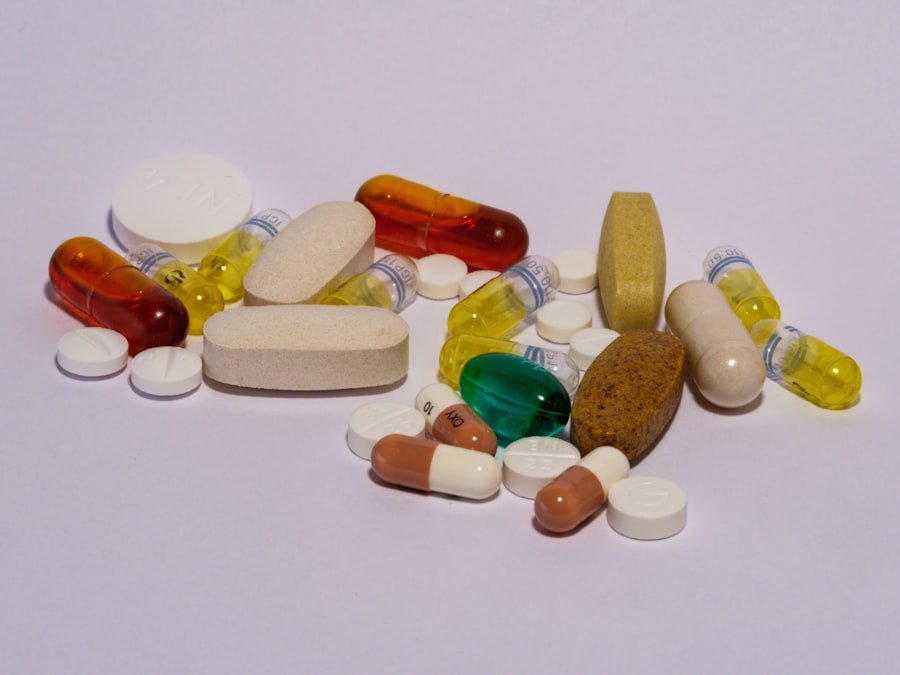
Vitamin B12 is another critical nutrient that often becomes deficient after gastric bypass surgery due to its reliance on intrinsic factor—a protein produced in the stomach that is necessary for B12 absorption. This deficiency can lead to a range of symptoms, including fatigue, weakness, and neurological issues such as numbness or tingling in the extremities. For patients who have undergone gastric bypass, it is essential to monitor B12 levels closely and consider supplementation as part of their post-operative care.
The role of vitamin B12 extends beyond energy production; it is also vital for maintaining the health of nerve cells and synthesizing DNA deficiency can lead to megaloblastic anemia, characterized by the production of large, ineffective red blood cells that cannot transport oxygen efficiently. This can exacerbate feelings of fatigue and weakness, further complicating recovery after surgery. Regular B12 injections or high-dose oral supplements may be necessary to ensure adequate levels are maintained, allowing patients to regain their energy and support their overall neurological health.
Iron for Red Blood Cell Production
Iron is an essential mineral that plays a crucial role in the production of hemoglobin, the protein in red blood cells responsible for transporting oxygen throughout the body. After gastric bypass surgery, patients are at an increased risk of iron deficiency due to reduced stomach acid production and changes in food absorption. This deficiency can lead to iron-deficiency anemia, characterized by symptoms such as fatigue, pallor, and shortness of breath during physical activity.
Given these risks, monitoring iron levels post-surgery is vital for maintaining optimal health. To combat iron deficiency, patients may need to incorporate iron-rich foods into their diets or consider supplementation. Foods such as lean meats, beans, lentils, and fortified cereals can help boost iron intake.
However, it’s important to note that certain foods and beverages can inhibit iron absorption; for instance, calcium-rich foods or drinks containing tannins (like tea) should be consumed separately from iron sources. Additionally, healthcare providers may recommend specific forms of iron supplements that are better absorbed in the post-surgical digestive system. By addressing iron needs proactively, patients can support their red blood cell production and overall energy levels.
Calcium for Bone Health and Muscle Function
| Vitamin | Recommended Daily Dose | Purpose | Common Form | Notes |
|---|---|---|---|---|
| Multivitamin | 1-2 tablets | General nutrition support | Chewable or liquid | Choose bariatric-specific formula |
| Vitamin B12 | 500-1000 mcg | Prevents deficiency, supports nerve function | Sublingual or injection | Absorption reduced after surgery |
| Calcium Citrate | 1200-1500 mg | Bone health | Chewable or liquid | Take in divided doses, with vitamin D |
| Vitamin D3 | 3000 IU | Enhances calcium absorption | Softgel or liquid | Monitor blood levels regularly |
| Iron | 45-60 mg | Prevents anemia | Ferrous sulfate or gluconate | Take separately from calcium |
| Folic Acid | 400-800 mcg | Supports red blood cell formation | Tablet or included in multivitamin | Important for women of childbearing age |
| Thiamine (Vitamin B1) | 50-100 mg | Prevents neurological complications | Tablet or included in multivitamin | Monitor especially if vomiting occurs |
Calcium is another critical nutrient that requires careful attention after gastric bypass surgery. This mineral is essential not only for maintaining strong bones but also for muscle function and nerve transmission. The altered anatomy following surgery can lead to decreased calcium absorption, increasing the risk of osteoporosis and fractures over time.
Therefore, ensuring adequate calcium intake is paramount for long-term health. Patients are often advised to consume calcium-rich foods such as dairy products, leafy greens, and fortified plant-based alternatives. However, due to the reduced stomach size and altered digestive processes, many individuals may find it challenging to meet their calcium needs through diet alone.
As a result, calcium supplementation becomes an important strategy for preventing deficiencies. It’s crucial for patients to choose the right form of calcium supplement—calcium citrate is often recommended because it is better absorbed in individuals with lower stomach acid levels. By prioritizing calcium intake through both diet and supplementation, patients can help safeguard their bone health and support muscle function as they navigate their post-surgical journey.
Vitamin A for Vision and Immune Health

Vitamin A is a fat-soluble vitamin that plays a multifaceted role in maintaining health after gastric bypass surgery. One of its primary functions is supporting vision; it is essential for the formation of rhodopsin, a pigment in the retina that allows us to see in low-light conditions. Additionally, vitamin A is crucial for maintaining healthy skin and mucous membranes, which serve as barriers against pathogens.
This aspect of vitamin A becomes particularly important for post-operative patients who may be more susceptible to infections during recovery. Beyond its role in vision and skin health, vitamin A also plays a significant part in immune function. It helps regulate the immune response by promoting the development of T-cells—an essential component of the adaptive immune system.
A deficiency in vitamin A can lead to impaired immune responses, increasing vulnerability to infections and delaying recovery from surgery. To ensure adequate intake of this vital nutrient, patients should focus on consuming foods rich in vitamin A such as carrots, sweet potatoes, spinach, and fortified dairy products. In some cases, healthcare providers may recommend supplementation to help meet individual needs.
Vitamin C for Wound Healing and Immune Support
Vitamin C is renowned for its role in supporting immune function and promoting wound healing—two critical aspects for individuals recovering from gastric bypass surgery. This water-soluble vitamin acts as a powerful antioxidant, protecting cells from damage caused by free radicals while also playing a key role in collagen synthesis. Collagen is an essential protein that helps repair tissues and supports skin integrity; thus, adequate vitamin C levels are vital for effective wound healing post-surgery.
In addition to its role in tissue repair, vitamin C enhances the immune system’s ability to fend off infections by stimulating the production of white blood cells and improving their function. For post-operative patients who may be at increased risk of infection due to surgical wounds or altered immune responses, ensuring sufficient vitamin C intake becomes even more critical. Foods rich in vitamin C include citrus fruits like oranges and grapefruits, strawberries, bell peppers, and broccoli.
In some cases where dietary intake may not suffice or where higher doses are needed for therapeutic purposes, healthcare providers may recommend vitamin C supplements as part of a comprehensive post-surgical care plan.
Vitamin K for Blood Clotting and Bone Health
Vitamin K is an essential nutrient that plays a crucial role in blood clotting and bone health—two areas that require careful attention after gastric bypass surgery. This fat-soluble vitamin is necessary for synthesizing proteins involved in coagulation processes; without adequate vitamin K levels, individuals may face an increased risk of excessive bleeding or bruising following surgical procedures. For post-operative patients who have undergone gastric bypass surgery, ensuring sufficient intake of vitamin K becomes paramount.
In addition to its role in clotting, vitamin K contributes significantly to bone health by aiding in the regulation of calcium within bones and blood vessels. It works synergistically with vitamin D to promote bone mineralization and prevent osteoporosis—a concern for many individuals after gastric bypass due to altered nutrient absorption patterns. Foods rich in vitamin K include leafy green vegetables such as kale, spinach, and broccoli; however, some patients may find it challenging to consume enough through diet alone due to changes in appetite or dietary restrictions post-surgery.
In such cases, healthcare providers may recommend monitoring vitamin K levels closely and considering supplementation if necessary to support both clotting mechanisms and bone integrity during recovery. In summary, the importance of vitamins after gastric bypass surgery cannot be overstated; each nutrient plays a unique role in supporting recovery and overall health. By understanding the specific needs related to vitamins D, B12, iron, calcium, A, C, and K—and taking proactive steps to address potential deficiencies—patients can enhance their post-operative journey toward improved well-being.