Gastric bypass surgery is a bariatric procedure that creates a small stomach pouch and reroutes the small intestine to bypass portions of the digestive tract. This anatomical modification reduces food intake capacity and decreases nutrient absorption by eliminating the duodenum and proximal jejunum from the digestive process. The altered anatomy results in reduced production of intrinsic factor, gastric acid, and digestive enzymes, which are essential for proper nutrient absorption.
Post-operative malabsorption occurs because the procedure bypasses approximately 95% of the stomach, the entire duodenum, and a portion of the jejunum. These areas are primary sites for absorption of iron, calcium, vitamin B12, folate, and fat-soluble vitamins (A, D, E, and K). Clinical studies indicate that 20-80% of gastric bypass patients develop nutritional deficiencies within two years post-surgery, with the most common being deficiencies in vitamin B12, iron, calcium, vitamin D, and folate.
Documented consequences of untreated nutritional deficiencies include megaloblastic anemia from B12 or folate deficiency, iron-deficiency anemia, metabolic bone disease from calcium and vitamin D deficiency, peripheral neuropathy, and Wernicke encephalopathy from thiamine deficiency. These complications can develop months to years after surgery and may cause irreversible neurological damage if not identified and treated promptly. Evidence-based supplementation protocols are necessary to prevent deficiencies and maintain optimal health outcomes.
Standard recommendations include daily multivitamin supplements, calcium citrate with vitamin D, vitamin B12, and iron supplementation. Regular laboratory monitoring is required to assess nutritional status and adjust supplementation accordingly. Healthcare providers must establish comprehensive follow-up protocols that include nutritional counseling and lifelong monitoring to ensure patient safety and surgical success.
Key Takeaways
- Vitamins are crucial for recovery and long-term health after gastric bypass surgery.
- Supplementation of Vitamin D and calcium helps maintain bone strength post-surgery.
- Vitamin B12 and folate are essential to prevent deficiencies and support red blood cell production.
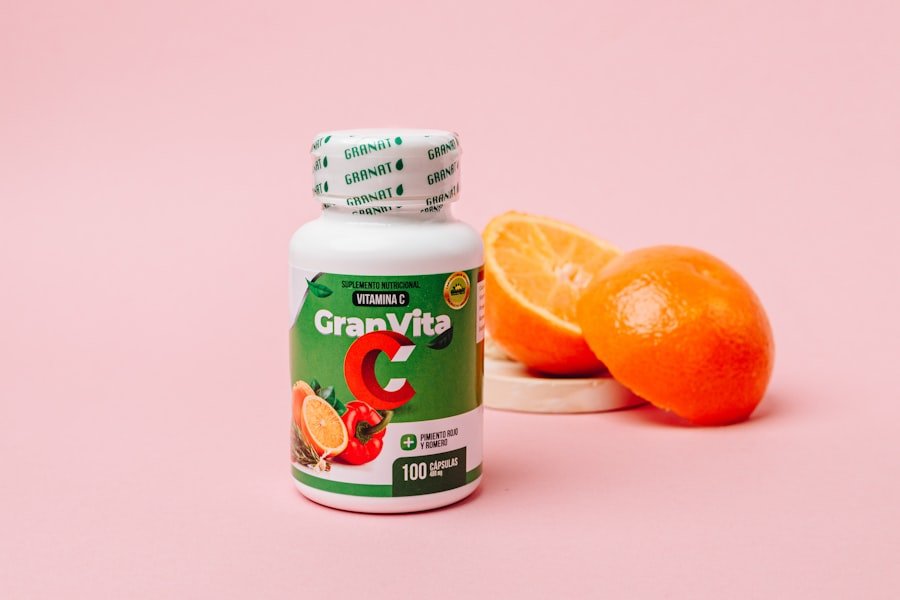
- Iron combined with Vitamin C improves absorption and helps prevent anemia.
- Regular monitoring of vitamin levels is necessary to avoid complications and ensure proper nutrition.

Vitamin D and Calcium Supplementation
Vitamin D and calcium are two critical nutrients that require special attention after gastric bypass surgery. The altered anatomy of the digestive system can hinder the absorption of these nutrients, leading to potential deficiencies that can have serious consequences. Vitamin D is essential for calcium absorption and plays a vital role in bone health.
Insufficient levels of vitamin D can lead to osteoporosis, a condition characterized by weak and brittle bones, which is particularly concerning for individuals who have undergone significant weight loss. Calcium supplementation is equally important, as it helps maintain bone density and supports various bodily functions, including muscle contraction and nerve transmission. After gastric bypass surgery, patients are often advised to take calcium citrate rather than calcium carbonate, as the former is better absorbed in a post-surgical digestive system.
The recommended daily intake of calcium for adults is typically around 1,200 mg, but this may vary based on individual needs and medical advice. Regular monitoring of vitamin D levels is also crucial, as many patients may require higher doses of supplementation to achieve optimal levels. This dual approach to vitamin D and calcium supplementation is essential for preventing long-term complications related to bone health.
Vitamin B12 and Folate Requirements
Vitamin B12 and folate are two other vital nutrients that warrant attention after gastric bypass surgery. Vitamin B12 is primarily absorbed in the terminal ileum, a section of the small intestine that may be bypassed during surgery. This can lead to a deficiency that manifests as neurological issues, anemia, and cognitive impairments.
Patients are often advised to undergo regular monitoring of their B12 levels and may require lifelong supplementation through injections or high-dose oral supplements to ensure adequate intake. Folate, or vitamin B9, is equally important for cellular function and tissue growth. It plays a crucial role in DNA synthesis and repair, making it particularly important during periods of rapid cell division and growth, such as after surgery.
Deficiencies in folate can lead to megaloblastic anemia and other health issues. While many patients may obtain sufficient folate from dietary sources such as leafy greens and legumes, those who have undergone gastric bypass may still need additional supplementation to meet their needs. The interplay between vitamin B12 and folate is significant; both vitamins work synergistically in the body, particularly in red blood cell formation and neurological function.
B-Complex Vitamins: Essential for Energy Production and Nervous System Health
B-complex vitamins encompass a group of eight essential nutrients that play critical roles in energy production and the maintenance of a healthy nervous system. These vitamins include B1 (thiamine), B2 (riboflavin), B3 (niacin), B5 (pantothenic acid), B6 (pyridoxine), B7 (biotin), B9 (folate), and B12 (cobalamin). After gastric bypass surgery, patients may experience deficiencies in these vitamins due to reduced food intake and altered absorption processes.
Thiamine deficiency, for instance, can lead to serious neurological issues such as Wernicke’s encephalopathy, characterized by confusion, ataxia, and ophthalmoplegia. Similarly, vitamin B12 is crucial for red blood cell production and neurological function; its deficiency can result in anemia and cognitive impairments. To mitigate these risks, healthcare providers often recommend B-complex vitamin supplements tailored to the specific needs of post-operative patients.
Additionally, incorporating foods rich in these vitamins—such as whole grains, legumes, leafy greens, and animal products—can further support overall health.
Iron and Vitamin C for Anemia Prevention
Iron deficiency is a common concern following gastric bypass surgery due to reduced stomach size and altered absorption capabilities. Iron is essential for the production of hemoglobin, the protein in red blood cells responsible for transporting oxygen throughout the body. A deficiency can lead to iron-deficiency anemia, characterized by fatigue, weakness, and decreased immune function.
Patients are often advised to take iron supplements post-surgery; however, it is crucial to choose the right form of iron for optimal absorption. Ferrous sulfate is commonly recommended, but some patients may tolerate other forms better. To enhance iron absorption, it is beneficial to pair iron supplements with vitamin Vitamin C not only aids in the absorption of non-heme iron (the type found in plant-based foods) but also plays a role in overall immune function and skin health.
Foods rich in vitamin C include citrus fruits, strawberries, bell peppers, and broccoli. Incorporating these foods into the diet can help mitigate the risk of anemia while also providing additional health benefits. Regular blood tests to monitor hemoglobin levels and iron stores are essential for patients post-surgery to ensure they are maintaining adequate iron levels.
Vitamin A and Beta-Carotene for Eye Health
| Vitamin/Mineral | Recommended Daily Intake After Gastric Bypass | Common Deficiency Symptoms | Notes |
|---|---|---|---|
| Vitamin B12 | 350-500 mcg (oral) or 1000 mcg (monthly injection) | Fatigue, neuropathy, anemia | Absorption reduced due to decreased intrinsic factor |
| Iron | 45-60 mg | Anemia, weakness, pallor | Supplement with vitamin C to enhance absorption |
| Calcium (as calcium citrate) | 1200-1500 mg | Bone pain, osteoporosis | Calcium citrate preferred over calcium carbonate |
| Vitamin D | 3000 IU or more (based on blood levels) | Bone loss, muscle weakness | Monitor serum 25(OH)D levels regularly |
| Folate (Vitamin B9) | 400-800 mcg | Anemia, neural tube defects (if pregnant) | Important for women of childbearing age |
| Multivitamin | 1-2 tablets daily | General nutrient deficiencies | Choose bariatric-specific formulations |
| Thiamine (Vitamin B1) | 50-100 mg (if deficiency suspected) | Wernicke’s encephalopathy, neuropathy | Supplement if vomiting or poor intake occurs |
Vitamin A is another critical nutrient that should not be overlooked after gastric bypass surgery. This fat-soluble vitamin plays a vital role in maintaining healthy vision, immune function, and skin integrity. Deficiencies in vitamin A can lead to night blindness and other vision-related issues, which can significantly impact quality of life.
The body converts beta-carotene from fruits and vegetables into vitamin A; however, individuals who have undergone gastric bypass may have impaired absorption of this nutrient due to changes in their digestive system. To ensure adequate intake of vitamin A post-surgery, patients should focus on incorporating foods rich in this nutrient into their diets. Sources include carrots, sweet potatoes, spinach, and kale.
In some cases, healthcare providers may recommend vitamin A supplementation to prevent deficiencies. It’s important for patients to be aware that excessive intake of vitamin A can lead to toxicity; therefore, monitoring intake levels through dietary sources and supplements is crucial.
Vitamin K for Blood Clotting

Vitamin K plays an essential role in blood clotting and bone metabolism. After gastric bypass surgery, patients may be at risk for vitamin K deficiency due to malabsorption issues. This deficiency can lead to increased bleeding tendencies and complications related to wound healing.
Vitamin K exists in two primary forms: K1 (phylloquinone), found in green leafy vegetables, and K2 (menaquinone), found in fermented foods and animal products. Patients are encouraged to consume foods rich in vitamin K regularly to support their clotting mechanisms and overall health. Leafy greens such as kale, spinach, and broccoli are excellent sources of vitamin K1.
For those who may struggle with dietary intake due to changes in appetite or food preferences post-surgery, supplementation may be necessary under medical guidance. Regular monitoring of coagulation parameters may also be warranted for patients at higher risk of deficiency.
Vitamin E for Immune Function
Vitamin E is a powerful antioxidant that plays a significant role in immune function and skin health. It helps protect cells from oxidative stress and supports the body’s ability to fight infections. After gastric bypass surgery, maintaining adequate levels of vitamin E is crucial for overall health and recovery.
Deficiencies can lead to compromised immune responses and increased susceptibility to infections. Dietary sources of vitamin E include nuts, seeds, spinach, and vegetable oils such as sunflower oil. For patients who may have difficulty obtaining sufficient amounts through diet alone due to changes in eating habits or preferences post-surgery, supplementation may be necessary.
It’s important for healthcare providers to assess individual needs based on dietary intake and blood levels of vitamin E to ensure optimal immune function.
Essential Minerals: Iron, Calcium, and Zinc After Gastric Bypass Surgery
In addition to vitamins, essential minerals play a crucial role in maintaining health after gastric bypass surgery. Iron is vital for hemoglobin production and oxygen transport within the body; however, many post-operative patients experience iron deficiency anemia due to reduced dietary intake and malabsorption issues. Symptoms such as fatigue, weakness, and pallor can arise from insufficient iron levels.
Calcium is another critical mineral that supports bone health and muscle function. After gastric bypass surgery, patients may struggle to consume enough calcium-rich foods due to dietary restrictions or changes in appetite. This can lead to decreased bone density over time if not addressed through diet or supplementation.
Zinc is equally important; it supports immune function and wound healing but can also be deficient after surgery due to similar absorption issues. To address these mineral deficiencies effectively, healthcare providers typically recommend regular blood tests to monitor iron, calcium, and zinc levels post-surgery. Patients should be encouraged to consume iron-rich foods such as lean meats, beans, lentils, fortified cereals, dairy products for calcium intake, and nuts or seeds for zinc.
In many cases, supplementation will be necessary to ensure optimal mineral levels are maintained.
Multivitamin Supplements for Post-Roux En Y Patients
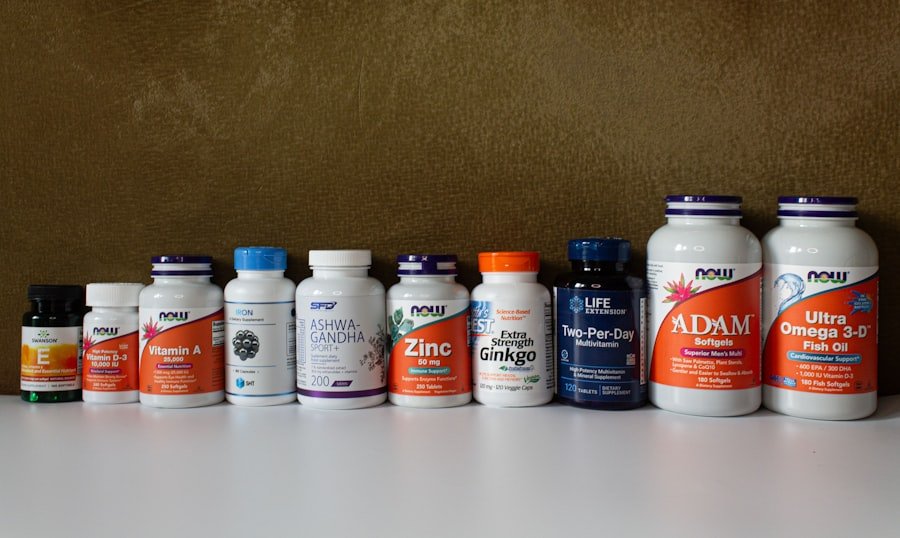
Given the high risk of multiple vitamin deficiencies following Roux-en-Y gastric bypass surgery, many healthcare providers recommend that patients take multivitamin supplements as part of their post-operative care regimen. These supplements are designed to provide a comprehensive array of essential vitamins and minerals that may be lacking due to dietary restrictions or malabsorption issues associated with the surgery. When selecting a multivitamin supplement, it is crucial for patients to choose one specifically formulated for bariatric patients.
These formulations typically contain higher doses of key nutrients such as vitamins B12, D, A, iron, calcium, and folate—nutrients that are often deficient after surgery. Additionally, some multivitamins come in chewable or liquid forms that may be easier for post-operative patients to tolerate compared to traditional tablets or capsules. Regular follow-up appointments with healthcare providers are essential for monitoring nutrient levels and adjusting supplementation as needed.
By adhering to a well-structured supplementation plan alongside a balanced diet rich in whole foods when possible, post-Roux-en-Y patients can significantly reduce their risk of deficiencies and promote long-term health outcomes following their surgical journey.
Tips for Absorbing Vitamins Effectively

To maximize vitamin absorption after Roux En Y gastric bypass surgery, patients should adopt specific strategies that enhance nutrient uptake from both supplements and food sources. One effective approach is to consume smaller meals more frequently throughout the day rather than adhering to traditional three-meal patterns. This method aligns with the reduced stomach capacity post-surgery and allows for better digestion and absorption of nutrients.
Pairing certain foods can also improve nutrient absorption; for example, consuming vitamin C-rich foods alongside iron-rich foods can enhance iron absorption significantly. Foods like citrus fruits or bell peppers can be paired with iron sources such as lean meats or legumes to optimize uptake. Additionally, avoiding high-calcium foods or supplements at the same time as iron-rich meals can prevent interference with iron absorption.
Staying hydrated is equally important; however, patients should avoid drinking large amounts of fluids during meals to prevent feeling overly full before consuming adequate nutrients.
Incorporating Whole Foods to Complement Vitamin Supplements Post-Gastric Bypass

While vitamin supplements are crucial for addressing deficiencies after gastric bypass surgery, incorporating whole foods into the diet remains essential for overall health and well-being. Whole foods provide not only vitamins and minerals but also fiber, antioxidants, and other beneficial compounds that supplements alone cannot offer. For instance, leafy greens such as spinach and kale are rich in vitamins A, C, K, and folate while also providing dietary fiber that aids digestion.
Protein-rich foods are particularly important for post-operative patients as they support muscle maintenance during weight loss. Lean meats, fish, eggs, legumes, and dairy products should be prioritized in the diet to ensure adequate protein intake. Additionally, foods high in healthy fats—such as avocados, nuts, and seeds—can provide essential fatty acids that support overall health while also enhancing nutrient absorption from other foods consumed.
Identifying the Signs of Vitamin Deficiency and How Bypass Vitamins Can Help

Recognizing the signs of vitamin deficiency is essential for timely intervention and treatment. Common symptoms can vary widely depending on which vitamin is lacking. For example, individuals deficient in vitamin D may experience fatigue, muscle weakness, and bone pain, while those low in vitamin B12 might notice symptoms such as numbness or tingling in the extremities, memory issues, or mood disturbances.
Iron deficiency can manifest as fatigue, pallor, and shortness of breath during physical activity. These symptoms can significantly impact daily life and overall quality of health. Bypass vitamins serve as a critical resource for individuals who may be at risk for these deficiencies due to malabsorption issues.
For instance, a person who has undergone gastric bypass surgery may find it challenging to obtain sufficient levels of vitamin B12 from food sources alone. In such cases, bypass vitamins formulated with high doses of this nutrient can help restore balance and alleviate symptoms associated with deficiency. Regular monitoring of vitamin levels through blood tests can also guide supplementation choices, ensuring that individuals receive the appropriate bypass vitamins tailored to their specific needs.
Monitoring Vitamin Levels After Gastric Bypass
Regular monitoring of vitamin levels is an integral part of post-operative care following gastric bypass surgery. Due to the risk of deficiencies arising from altered nutrient absorption, healthcare providers typically recommend routine blood tests to assess levels of key vitamins and minerals such as B12, iron, vitamin D, calcium, and others mentioned previously. These tests help identify deficiencies early on so that appropriate interventions can be implemented.
Patients should work closely with their healthcare team to develop a personalized supplementation plan based on their specific needs and test results. This proactive approach not only helps prevent deficiencies but also supports overall health during the weight loss journey. Education on dietary choices that promote nutrient intake is equally important; patients should be encouraged to adopt a balanced diet rich in vitamins and minerals while adhering to their supplementation regimen as prescribed by their healthcare provider.
Regular follow-ups will ensure that any emerging deficiencies are addressed promptly, allowing patients to thrive after their transformative surgical experience.