
The Roux-en-Y gastric bypass is a bariatric surgical procedure used to treat severe obesity. During this operation, surgeons create a small gastric pouch from the upper portion of the stomach and connect it directly to the jejunum, the middle section of the small intestine. This configuration bypasses the majority of the stomach, the entire duodenum, and the proximal jejunum.
The procedure restricts food volume capacity and reduces nutrient absorption by shortening the functional length of the small intestine. Additionally, the surgery alters the production of gastrointestinal hormones, including ghrelin, GLP-1, and PYY, which affect appetite regulation and glucose metabolism. Most Roux-en-Y procedures are performed using laparoscopic techniques, involving five to six small abdominal incisions through which surgeons insert a camera and specialized instruments.

This approach typically results in shorter hospital stays, reduced surgical site infections, and faster recovery compared to open surgical methods. Clinical studies demonstrate that patients commonly lose 60-80% of their excess body weight within 12-18 months post-surgery. The procedure frequently leads to improvement or resolution of obesity-related comorbidities, including type 2 diabetes mellitus, hypertension, obstructive sleep apnea, and dyslipidemia.
Long-term success requires adherence to specific dietary protocols, including small portion sizes, adequate protein intake, and lifelong vitamin and mineral supplementation to prevent nutritional deficiencies.
Key Takeaways
- Roux En Y surgery alters digestion, increasing the risk of vitamin deficiencies.
- Post-surgery vitamin supplementation is crucial to prevent nutrient deficiencies.
- Common deficiencies include vitamins B12, D, iron, and calcium.
- Incorporating nutrient-rich foods and proper supplements supports recovery and health.
- Regular monitoring and dietitian consultations ensure effective vitamin absorption and personalized care.

Importance of Vitamins After Roux En Y Surgery
Following Roux En Y gastric bypass surgery, patients face significant changes in their digestive system that can impact nutrient absorption. The bypassed sections of the stomach and small intestine are responsible for absorbing many essential vitamins and minerals. As a result, individuals who have undergone this procedure are at a heightened risk for nutritional deficiencies, making vitamin supplementation crucial for maintaining overall health.
Vitamins play vital roles in various bodily functions, including immune response, energy production, and bone health. Therefore, ensuring adequate vitamin intake is essential for promoting recovery and preventing complications. Moreover, the altered anatomy after surgery can lead to changes in how food is digested and absorbed.
For instance, the smaller stomach pouch limits the amount of food that can be consumed at one time, which may lead to insufficient intake of essential nutrients if not carefully managed. Additionally, the bypassed sections of the intestine are responsible for absorbing fat-soluble vitamins such as A, D, E, and K. Without proper supplementation and dietary adjustments, patients may experience deficiencies that can lead to serious health issues over time.
Thus, understanding the importance of vitamins post-surgery is critical for achieving long-term health and wellness.
Vitamin Deficiencies to Watch Out For

Patients who have undergone Roux En Y gastric bypass surgery should be vigilant about potential vitamin deficiencies that can arise due to altered nutrient absorption. One of the most common deficiencies observed in these patients is vitamin B12 deficiency. This vitamin is crucial for red blood cell formation and neurological function.
The bypassed section of the stomach produces intrinsic factor, a protein necessary for B12 absorption; therefore, patients may require lifelong supplementation or regular B12 injections to maintain adequate levels. Another significant deficiency to monitor is vitamin D deficiency. This vitamin is essential for calcium absorption and bone health.
After surgery, patients may not only consume less food but also have reduced exposure to sunlight, which is necessary for natural vitamin D synthesis in the skin. A deficiency in vitamin D can lead to osteoporosis and increased fracture risk over time. Additionally, deficiencies in fat-soluble vitamins such as A, E, and K can occur due to malabsorption issues.
Vitamin A is vital for vision and immune function; vitamin E acts as an antioxidant; and vitamin K plays a crucial role in blood clotting. Each of these deficiencies can have serious implications for overall health.
Recommended Vitamin Supplements for Roux En Y Patients
Given the high risk of vitamin deficiencies following Roux En Y gastric bypass surgery, healthcare providers typically recommend specific vitamin supplements tailored to meet the unique needs of these patients. A comprehensive multivitamin designed for bariatric patients is often advised as a foundational supplement. These multivitamins usually contain higher doses of essential vitamins and minerals compared to standard formulations, ensuring that patients receive adequate amounts of nutrients that may be lacking in their diets.
In addition to a multivitamin, specific supplements may be recommended based on individual needs. For instance, vitamin B12 supplementation is often necessary due to its critical role in neurological health and red blood cell production. Patients may be advised to take sublingual B12 tablets or receive intramuscular injections depending on their absorption capabilities.
Calcium citrate is another important supplement; it is better absorbed than other forms of calcium and is essential for maintaining bone density. Vitamin D3 supplementation is also crucial for enhancing calcium absorption and supporting overall bone health. Regular monitoring of blood levels can help determine the appropriate dosages for each patient.
Nutrient-Rich Foods to Incorporate in Your Diet
| Vitamin | Recommended Daily Intake | Common Deficiency Symptoms Post-Roux En Y | Supplementation Guidelines | Notes |
|---|---|---|---|---|
| Vitamin B12 | 2.4 mcg | Fatigue, neuropathy, anemia | 1000 mcg monthly injection or 500-1000 mcg oral daily | Absorption reduced due to bypassed stomach and ileum |
| Iron | 8-18 mg | Anemia, weakness, pallor | 45-60 mg elemental iron daily | Absorption impaired; often requires supplementation |
| Calcium (with Vitamin D) | 1000-1200 mg calcium, 800-1000 IU vitamin D | Osteopenia, osteoporosis, muscle cramps | Calcium citrate preferred; divided doses daily | Vitamin D enhances calcium absorption |
| Folate (Vitamin B9) | 400 mcg | Anemia, neural tube defects (if pregnant) | 400-800 mcg daily | Important for DNA synthesis and repair |
| Vitamin A | 700-900 mcg RAE | Night blindness, dry skin | Supplement as needed; monitor levels | Fat malabsorption may reduce levels |
| Vitamin K | 90-120 mcg | Bleeding tendency | Supplement if deficiency detected | Fat-soluble vitamin; absorption may be impaired |
In addition to supplementation, incorporating nutrient-rich foods into the diet is vital for patients recovering from Roux En Y gastric bypass surgery. A well-balanced diet should focus on high-protein foods, as protein is essential for healing and maintaining muscle mass during weight loss. Lean meats such as chicken, turkey, and fish are excellent sources of protein.
Plant-based options like legumes, tofu, and quinoa also provide substantial protein while offering additional fiber and nutrients. Fruits and vegetables should be prioritized as well due to their high vitamin content and antioxidants. Leafy greens like spinach and kale are particularly beneficial because they are rich in vitamins A, C, K, and several B vitamins while being low in calories.
Additionally, incorporating healthy fats from sources such as avocados, nuts, and seeds can help with the absorption of fat-soluble vitamins like A, D, E, and K. Whole grains should be consumed in moderation; options like brown rice or whole-grain bread can provide fiber and additional nutrients while helping maintain digestive health.
Tips for Absorbing Vitamins Effectively
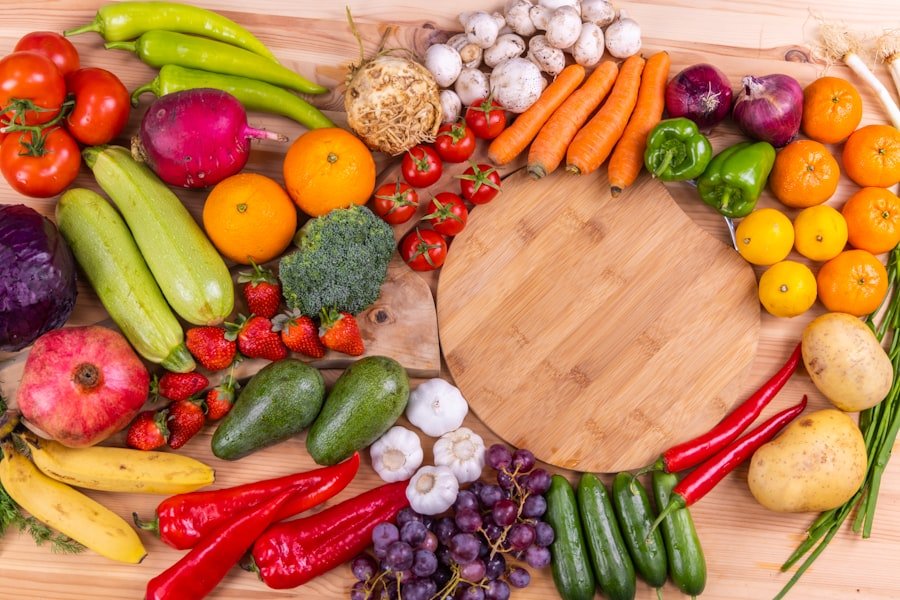
To maximize vitamin absorption after Roux En Y gastric bypass surgery, patients should adopt specific strategies that enhance nutrient uptake from both supplements and food sources. One effective approach is to consume smaller meals more frequently throughout the day rather than adhering to traditional three-meal patterns. This method aligns with the reduced stomach capacity post-surgery and allows for better digestion and absorption of nutrients.
Pairing certain foods can also improve nutrient absorption; for example, consuming vitamin C-rich foods alongside iron-rich foods can enhance iron absorption significantly. Foods like citrus fruits or bell peppers can be paired with iron sources such as lean meats or legumes to optimize uptake. Additionally, avoiding high-calcium foods or supplements at the same time as iron-rich meals can prevent interference with iron absorption.
Staying hydrated is equally important; however, patients should avoid drinking large amounts of fluids during meals to prevent feeling overly full before consuming adequate nutrients.
Monitoring Vitamin Levels Post-Surgery
Regular monitoring of vitamin levels is an essential component of post-operative care for patients who have undergone Roux En Y gastric bypass surgery. Healthcare providers typically recommend routine blood tests to assess levels of key vitamins and minerals at regular intervals—often within the first year after surgery and then annually thereafter. These tests help identify any deficiencies early on so that appropriate interventions can be implemented promptly.
Monitoring should include assessments of vitamin B12, vitamin D, calcium levels, iron levels, and other relevant nutrients based on individual dietary habits and health status. If deficiencies are detected, healthcare providers can adjust supplementation dosages or recommend dietary changes tailored to address specific needs. This proactive approach not only helps prevent complications associated with deficiencies but also supports overall health and well-being in the long term.
Consulting with a Dietitian for Personalized Vitamin Recommendations
Consulting with a registered dietitian who specializes in bariatric nutrition can provide invaluable support for individuals recovering from Roux En Y gastric bypass surgery. A dietitian can offer personalized recommendations based on individual dietary preferences, lifestyle factors, and specific nutritional needs following surgery. They can help create a tailored meal plan that ensures adequate intake of essential vitamins while considering any restrictions or challenges that may arise post-surgery.
Moreover, a dietitian can assist in educating patients about reading food labels effectively, understanding portion sizes, and making informed choices when dining out or preparing meals at home. They can also provide guidance on how to incorporate a variety of nutrient-dense foods into daily meals while ensuring that patients remain compliant with their dietary requirements post-surgery. By working closely with a dietitian, patients can enhance their chances of achieving successful long-term outcomes after Roux En Y gastric bypass surgery while minimizing the risk of nutritional deficiencies.