Nutrition is essential for recovery and long-term outcomes in bariatric surgery patients. Weight loss procedures cause substantial physiological changes that impair nutrient absorption capacity. Surgical interventions including gastric bypass and sleeve gastrectomy reduce stomach volume and modify digestive anatomy, frequently resulting in deficiencies of critical vitamins and minerals.
Comprehensive nutritional understanding is therefore necessary for patients to achieve weight loss goals while preserving overall health status. Post-surgical nutrition extends beyond weight control to encompass adequate nutrient delivery and healthy eating behaviors. Bariatric patients require high-protein diets to support tissue healing and preserve lean muscle mass.

Careful monitoring of carbohydrate and fat consumption is necessary to prevent surgical complications and dumping syndrome. A nutrient-dense diet containing sufficient vitamins and minerals prevents deficiency-related conditions including iron-deficiency anemia, vitamin B12 deficiency, and bone demineralization leading to osteoporosis. Nutritional adherence forms the foundation for successful surgical outcomes and sustained health improvements in bariatric patients.
Key Takeaways
- Proper nutrition is crucial for bariatric patients to support recovery and long-term health.
- Bariatric surgery presents challenges in meeting nutritional needs due to reduced food intake and absorption.
- Flintstone Chewables can help supplement essential vitamins and minerals for bariatric patients.
- Choosing the right type and dosage of Flintstone Chewables is important to maximize benefits and minimize risks.
- Always consult a healthcare professional before incorporating Flintstone Chewables into a bariatric diet.
Challenges in Meeting Nutritional Needs After Bariatric Surgery

Bariatric patients face numerous challenges in meeting their nutritional needs following surgery. One of the most significant hurdles is the reduced capacity of the stomach, which limits the amount of food that can be consumed at one time. This restriction can make it difficult for patients to obtain sufficient calories and nutrients from their diet alone.
As a result, many patients struggle to meet their daily protein requirements, which can hinder recovery and lead to muscle loss. The psychological aspect of eating also changes; patients may experience food aversions or find it challenging to adjust to new eating patterns, further complicating their nutritional intake. Another challenge is the potential for nutrient malabsorption, particularly after procedures like gastric bypass.
This condition occurs when the body cannot effectively absorb nutrients from the food consumed due to alterations in the digestive tract. For instance, fat-soluble vitamins such as A, D, E, and K may not be adequately absorbed, leading to deficiencies that can have long-term health implications. Additionally, bariatric patients may experience gastrointestinal issues such as dumping syndrome, which can occur when high-sugar or high-fat foods are consumed.
These challenges necessitate a proactive approach to nutrition, often requiring supplementation to ensure that patients receive the necessary vitamins and minerals for optimal health.
The Role of Flintstone Chewables in Bariatric Patient Nutrition
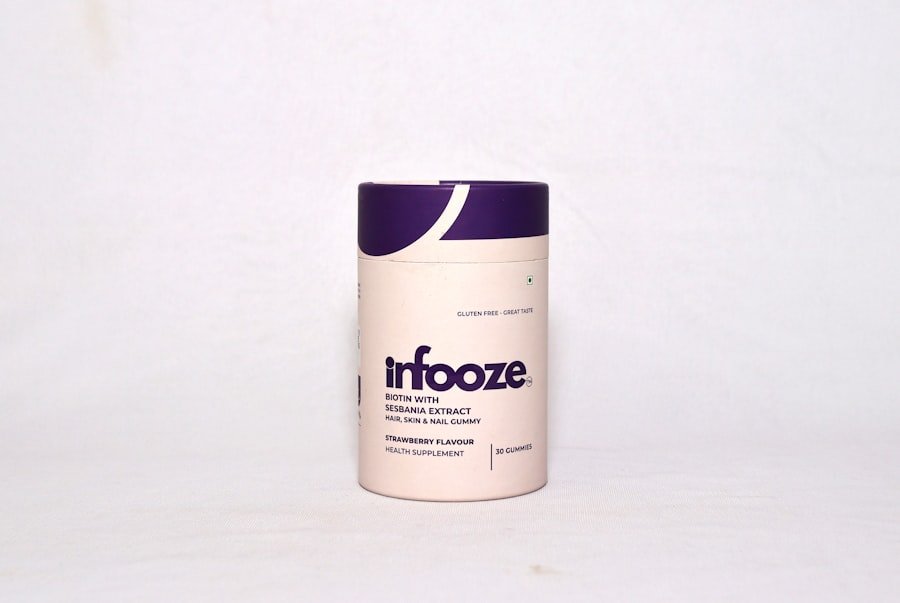
Flintstone Chewables have emerged as a popular choice for bariatric patients seeking a convenient and effective way to supplement their nutritional intake. These chewable vitamins are designed to provide essential nutrients in a palatable form, making them an appealing option for individuals who may struggle with swallowing pills or capsules post-surgery. The formulation typically includes a range of vitamins and minerals that are crucial for overall health, including vitamin A, vitamin C, vitamin D, calcium, and several B vitamins.
The appeal of Flintstone Chewables lies not only in their taste but also in their ability to address specific nutritional deficiencies commonly seen in bariatric patients. For instance, vitamin D is vital for calcium absorption and bone health, while B vitamins play a crucial role in energy metabolism and red blood cell production. By incorporating Flintstone Chewables into their daily routine, bariatric patients can more easily meet their nutritional needs without the burden of complex meal planning or the discomfort associated with swallowing larger supplements.
Benefits of Flintstone Chewables for Bariatric Patients
One of the primary benefits of Flintstone Chewables for bariatric patients is their ease of use. The chewable format allows for quick consumption without the need for water, making them an ideal option for individuals who may experience discomfort when swallowing traditional pills. This convenience can encourage consistent use, which is essential for maintaining adequate nutrient levels over time.
Furthermore, the pleasant taste of these chewables can help foster a positive attitude towards supplementation, reducing the likelihood of non-compliance due to unpleasant experiences with other forms of vitamins. In addition to convenience and taste, Flintstone Chewables are formulated to provide a balanced array of essential nutrients that cater specifically to the needs of bariatric patients. For example, many formulations include higher levels of certain vitamins that are often deficient in this population, such as vitamin B12 and folic acid.
These nutrients are critical for energy production and overall metabolic function. Moreover, the inclusion of minerals like zinc and iron supports immune function and helps prevent anemia, which is particularly important for individuals who may have reduced dietary intake following surgery.
How to Incorporate Flintstone Chewables into a Bariatric Patient’s Diet
| Metric | Value | Notes |
|---|---|---|
| Vitamin Type | Multivitamin | Chewable formula designed for bariatric patients |
| Key Nutrients | Vitamin A, C, D, E, B-complex, Iron, Zinc, Calcium | Essential for post-bariatric surgery nutritional needs |
| Serving Size | 2 chewable tablets | Recommended daily intake |
| Caloric Content | 15 calories per serving | Low calorie to suit bariatric dietary restrictions |
| Iron Content | 18 mg | Supports prevention of anemia post-surgery |
| Calcium Content | 300 mg | Important for bone health after bariatric surgery |
| Vitamin D Content | 400 IU | Supports calcium absorption and bone health |
| Sugar Content | 2 grams per serving | Low sugar to accommodate dietary needs |
| Flavor | Mixed fruit | Palatable for patients with altered taste post-surgery |
| Packaging | 60 chewable tablets per bottle | One month supply at recommended dosage |
Incorporating Flintstone Chewables into a bariatric patient’s diet can be straightforward and beneficial when done thoughtfully. It is generally recommended that patients take these chewable vitamins daily as part of their morning routine or alongside meals to enhance absorption. This practice not only helps establish a habit but also ensures that patients are consistently receiving their essential nutrients.
For those who may have difficulty remembering to take their supplements, setting reminders on mobile devices or using pill organizers can be effective strategies. Additionally, it is important for bariatric patients to consider their overall dietary intake when incorporating Flintstone Chewables into their regimen. While these vitamins can help fill nutritional gaps, they should not replace whole foods that provide essential nutrients.
Patients should focus on consuming a balanced diet rich in lean proteins, fruits, vegetables, and whole grains while using Flintstone Chewables as a complementary source of vitamins and minerals. This holistic approach ensures that patients receive comprehensive nutrition while maximizing the benefits of supplementation.
Tips for Choosing the Right Flintstone Chewables for Bariatric Patients
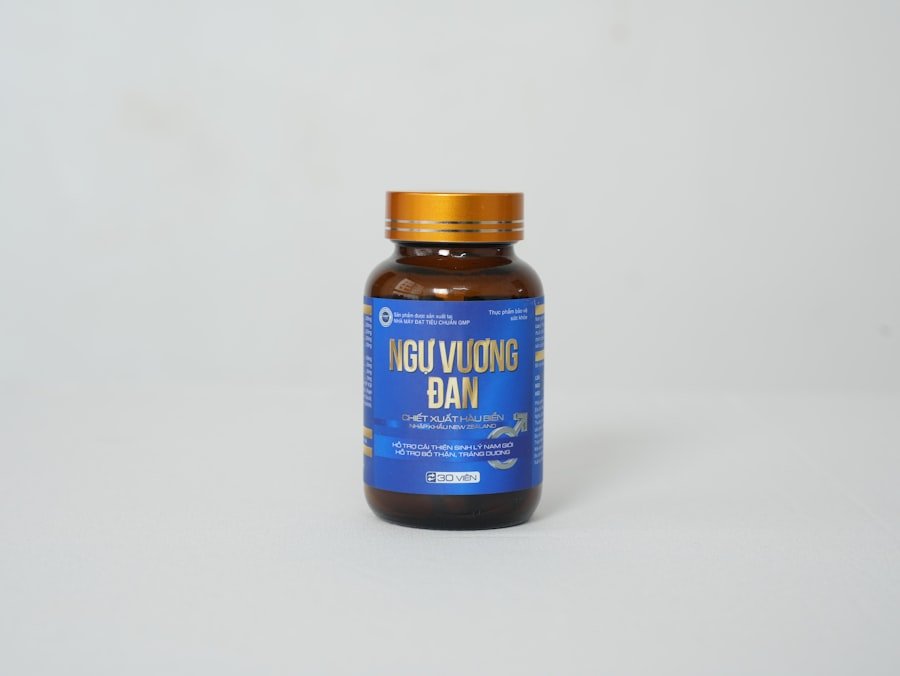
When selecting Flintstone Chewables for bariatric patients, it is crucial to consider specific formulations that cater to their unique nutritional needs. Not all chewable vitamins are created equal; some may contain added sugars or artificial ingredients that could be counterproductive for individuals who are managing their weight post-surgery. Therefore, it is advisable to opt for formulations that are low in sugar and free from unnecessary additives.
Patients should also pay attention to the nutrient profile of the chosen Flintstone Chewables. Some formulations may be fortified with additional vitamins and minerals specifically beneficial for bariatric patients, such as higher doses of vitamin D or B12. Reading labels carefully can help ensure that the selected product aligns with individual health goals and dietary restrictions.
Consulting with a healthcare professional or registered dietitian can provide further guidance on choosing the most appropriate formulation based on personal health history and nutritional needs.
Potential Risks and Side Effects of Using Flintstone Chewables for Bariatric Patients
While Flintstone Chewables offer numerous benefits for bariatric patients, there are potential risks and side effects associated with their use that should not be overlooked. One concern is the possibility of overconsumption of certain vitamins or minerals if patients do not adhere to recommended dosages. For instance, excessive intake of fat-soluble vitamins like A and D can lead to toxicity over time, resulting in serious health complications.
Therefore, it is essential for patients to follow dosage guidelines closely and avoid taking additional supplements without consulting a healthcare provider. Another consideration is the potential for gastrointestinal discomfort associated with chewable vitamins. Some individuals may experience digestive issues such as bloating or gas after consuming these supplements, particularly if they have sensitive stomachs post-surgery.
It is advisable for patients to monitor their reactions after starting any new supplement regimen and report any adverse effects to their healthcare team promptly. This vigilance ensures that any issues can be addressed quickly and effectively.
Consultation with a Healthcare Professional for Optimizing Nutrition with Flintstone Chewables
Consultation with a healthcare professional is paramount for bariatric patients looking to optimize their nutrition with Flintstone Chewables or any other supplements. A registered dietitian or nutritionist can provide personalized recommendations based on individual dietary needs, medical history, and lifestyle factors. They can help assess current nutrient intake through dietary analysis and identify any potential deficiencies that may require targeted supplementation.
Moreover, healthcare professionals can assist in developing a comprehensive nutrition plan that incorporates Flintstone Chewables effectively while ensuring that all dietary needs are met through whole foods as well. Regular follow-ups with healthcare providers allow for ongoing monitoring of nutritional status and adjustments to supplementation as needed based on changes in health or dietary habits. This collaborative approach fosters a supportive environment where bariatric patients can thrive on their journey toward improved health and well-being.