
Gastric bypass surgery is a procedure that significantly reduces stomach size and alters the digestive pathway, leading to substantial weight loss and improvement in obesity-related conditions. This anatomical modification affects nutrient absorption, potentially causing deficiencies in essential vitamins and minerals necessary for health maintenance. Following surgery, patients must carefully monitor their nutritional intake to prevent complications.
After gastric bypass, nutrient absorption decreases because part of the small intestine—the primary site for vitamin and mineral absorption—is bypassed. This malabsorption can result in various health problems including anemia, bone density reduction, and immune system dysfunction. Patients must identify critical vitamins and implement strategies to maintain adequate levels.

Ongoing medical monitoring and vitamin supplementation are typically required to prevent deficiencies that could compromise recovery and long-term health outcomes.
Key Takeaways
- Essential vitamins and minerals are crucial for recovery and long-term health after gastric bypass surgery.
- Vitamin D supports bone health, while vitamin B12 is vital for red blood cell production post-surgery.
- Maintaining adequate vitamin A levels helps preserve eye health and immune function after surgery.
- Vitamin C aids in wound healing and strengthens the immune system during recovery.
- Proper intake of vitamin K, iron, calcium, and zinc is necessary to support blood clotting, bone health, and overall nutrition after gastric bypass.
Vitamin D: The Sunshine Vitamin and Its Role in Bone Health After Gastric Bypass Surgery

Vitamin D is often referred to as the “sunshine vitamin” because it is synthesized in the skin upon exposure to sunlight. This vitamin plays a pivotal role in calcium absorption and bone health, making it particularly important for individuals who have undergone gastric bypass surgery. After the procedure, patients may find it challenging to maintain adequate levels of vitamin D due to changes in dietary habits and reduced absorption capabilities.
A deficiency in vitamin D can lead to osteomalacia, a condition characterized by softening of the bones, which can increase the risk of fractures. Research indicates that many post-bariatric surgery patients experience low levels of vitamin D, which can have serious implications for bone density and overall health. To combat this, healthcare providers often recommend routine blood tests to monitor vitamin D levels and suggest supplementation as needed.
Foods rich in vitamin D, such as fatty fish, fortified dairy products, and egg yolks, should also be incorporated into the diet. However, due to the altered digestive system, relying solely on dietary sources may not suffice; thus, supplementation becomes a critical component of post-operative care.
The Importance of Vitamin B12 and Its Role in Red Blood Cell Production Post-Gastric Bypass Surgery
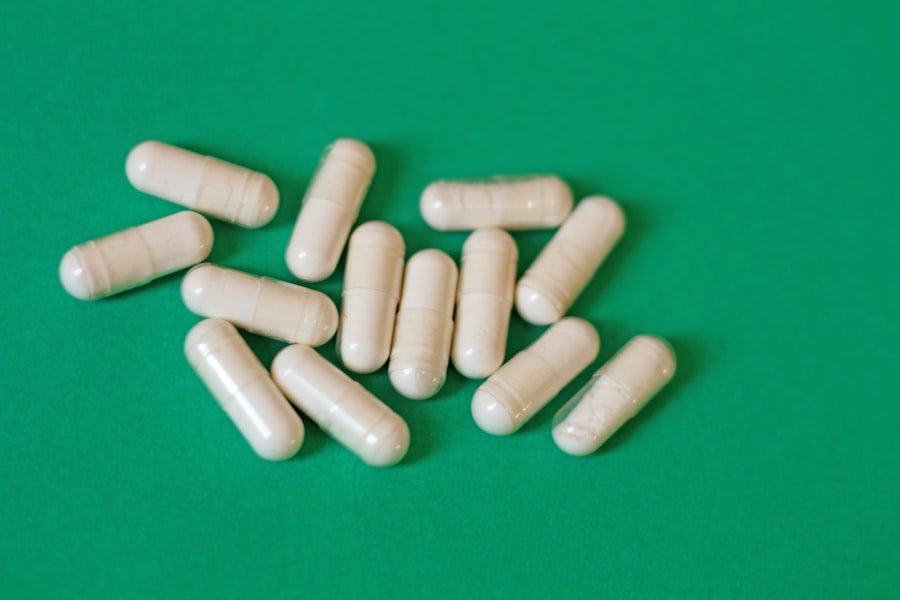
Vitamin B12 is another essential nutrient that warrants attention after gastric bypass surgery. This vitamin is crucial for red blood cell production and neurological function. The body absorbs vitamin B12 through a complex process that involves intrinsic factor, a protein produced in the stomach.
Since gastric bypass surgery reduces stomach size and alters its function, the production of intrinsic factor may be compromised, leading to potential deficiencies in vitamin B12. A deficiency in vitamin B12 can result in megaloblastic anemia, characterized by the production of large, immature red blood cells that cannot function properly. Symptoms may include fatigue, weakness, and neurological issues such as numbness or tingling in the extremities.
To prevent these complications, patients are often advised to undergo regular blood tests to monitor their B12 levels and may require lifelong supplementation through injections or high-dose oral supplements. Incorporating B12-rich foods like meat, fish, dairy products, and fortified cereals into their diets can also help maintain adequate levels.
Maintaining Optimal Levels of Vitamin A for Eye Health and Immune Function After Gastric Bypass Surgery
Vitamin A is vital for maintaining healthy vision, immune function, and skin health. It exists in two primary forms: preformed vitamin A (retinol), found in animal products like liver and dairy, and provitamin A carotenoids, found in fruits and vegetables such as carrots and sweet potatoes. After gastric bypass surgery, patients may struggle to consume sufficient amounts of these foods due to dietary restrictions or changes in appetite.
This can lead to suboptimal levels of vitamin A, which can compromise both eye health and immune response. A deficiency in vitamin A can result in night blindness and an increased susceptibility to infections due to its role in maintaining the integrity of epithelial tissues. To mitigate these risks, healthcare providers often recommend regular monitoring of vitamin A levels post-surgery.
Patients should be encouraged to include a variety of colorful fruits and vegetables in their diets while also considering supplementation if dietary intake is insufficient. This approach not only helps maintain optimal vitamin A levels but also promotes overall health through a diverse nutrient profile.
Vitamin C: Supporting Wound Healing and Boosting Immune Function Post-Gastric Bypass Surgery
| Vitamin/Mineral | Recommended Daily Intake After Gastric Bypass | Common Deficiency Symptoms | Notes |
|---|---|---|---|
| Vitamin B12 | 350-500 mcg (oral) or 1000 mcg (intramuscular monthly) | Fatigue, neuropathy, anemia | Absorption reduced due to decreased intrinsic factor |
| Iron | 45-60 mg elemental iron daily | Anemia, weakness, pallor | Supplement with vitamin C to enhance absorption |
| Calcium (as calcium citrate) | 1200-1500 mg daily | Bone pain, osteoporosis | Calcium citrate preferred over carbonate |
| Vitamin D | 3000 IU daily (may vary based on blood levels) | Bone loss, muscle weakness | Monitor serum 25(OH)D levels regularly |
| Folate (Vitamin B9) | 400-800 mcg daily | Anemia, neural tube defects (if pregnant) | Important for women of childbearing age |
| Multivitamin | 1-2 tablets daily | General nutrient deficiencies | Choose bariatric-specific formulations |
Vitamin C is well-known for its role as an antioxidant and its importance in collagen synthesis, making it essential for wound healing after surgical procedures like gastric bypass. The body requires vitamin C for the repair of tissues and the maintenance of cartilage, bones, and teeth. After surgery, patients may experience slower healing processes if they do not consume adequate amounts of this vital nutrient.
In addition to its role in wound healing, vitamin C plays a significant part in boosting immune function. It helps stimulate the production of white blood cells, which are crucial for fighting infections. Post-surgery patients may be at an increased risk for infections due to surgical wounds or changes in their immune response related to nutrient deficiencies.
Therefore, ensuring sufficient intake of vitamin C through dietary sources such as citrus fruits, strawberries, bell peppers, and broccoli is essential. In some cases, healthcare providers may recommend supplementation to ensure that patients meet their daily requirements.
The Role of Vitamin K in Blood Clotting and Bone Health After Gastric Bypass Surgery
Vitamin K is another essential nutrient that plays a critical role in blood clotting and bone health. It exists in two main forms: K1 (phylloquinone), found primarily in green leafy vegetables, and K2 (menaquinone), found in fermented foods and animal products. After gastric bypass surgery, patients may find it challenging to consume adequate amounts of vitamin K-rich foods due to dietary restrictions or changes in eating habits.
A deficiency in vitamin K can lead to impaired blood clotting, increasing the risk of excessive bleeding during recovery from surgery or injury. Additionally, vitamin K is important for bone metabolism; it helps regulate calcium within bones and blood vessels. Insufficient levels can contribute to weakened bones over time.
To prevent these complications, healthcare providers often recommend monitoring vitamin K levels post-surgery and encouraging patients to include green leafy vegetables like kale, spinach, and broccoli in their diets. In some cases, supplementation may be necessary to ensure adequate intake.
Essential Minerals: Iron, Calcium, and Zinc After Gastric Bypass Surgery
In addition to vitamins, essential minerals play a crucial role in maintaining health after gastric bypass surgery. Iron is vital for hemoglobin production and oxygen transport within the body; however, many post-operative patients experience iron deficiency anemia due to reduced dietary intake and malabsorption issues. Symptoms such as fatigue, weakness, and pallor can arise from insufficient iron levels.
Calcium is another critical mineral that supports bone health and muscle function. After gastric bypass surgery, patients may struggle to consume enough calcium-rich foods due to dietary restrictions or changes in appetite. This can lead to decreased bone density over time if not addressed through diet or supplementation.
Zinc is equally important; it supports immune function and wound healing but can also be deficient after surgery due to similar absorption issues. To address these mineral deficiencies effectively, healthcare providers typically recommend regular blood tests to monitor iron, calcium, and zinc levels post-surgery. Patients should be encouraged to consume iron-rich foods such as lean meats, beans, lentils, fortified cereals, dairy products for calcium intake, and nuts or seeds for zinc.
In many cases, supplementation will be necessary to ensure optimal mineral levels are maintained.
Tips for Ensuring Proper Vitamin and Mineral Intake After Gastric Bypass Surgery
Ensuring proper vitamin and mineral intake after gastric bypass surgery requires a proactive approach from both patients and healthcare providers. One effective strategy is to establish a comprehensive nutritional plan tailored to individual needs based on blood test results and dietary preferences. This plan should include recommendations for specific vitamins and minerals that need monitoring or supplementation.
Patients should also be educated about the importance of consuming nutrient-dense foods rather than empty-calorie options. Focusing on whole foods rich in vitamins and minerals—such as fruits, vegetables, lean proteins, whole grains, nuts, and seeds—can help meet nutritional needs while promoting overall health. Additionally, incorporating fortified foods or supplements can bridge any gaps left by dietary restrictions.
Regular follow-ups with healthcare providers are essential for monitoring nutritional status post-surgery. These appointments should include routine blood tests to check levels of key vitamins and minerals as well as discussions about any symptoms or concerns related to nutrition. By maintaining open communication with healthcare professionals and adhering to recommended dietary guidelines, patients can significantly improve their chances of achieving optimal health outcomes after gastric bypass surgery.