
Bariatric surgery, particularly Vertical Sleeve Gastrectomy (VSG), is a transformative procedure that significantly alters the digestive system to promote weight loss. While the primary goal of VSG is to reduce stomach size and limit food intake, it also has profound implications for nutrient absorption. The surgery can lead to a decreased capacity for the stomach to absorb essential vitamins and minerals, making it crucial for patients to understand the importance of maintaining adequate vitamin levels post-surgery.
This understanding is vital not only for achieving weight loss goals but also for ensuring overall health and preventing deficiencies that can lead to serious complications. After VSG, patients often experience changes in their dietary habits and food preferences, which can further complicate their nutritional intake. The reduced stomach size limits the amount of food that can be consumed at one time, which may lead to inadequate intake of essential nutrients.

Additionally, the surgery alters the gastrointestinal tract’s ability to absorb certain vitamins and minerals effectively. Therefore, it becomes imperative for VSG patients to prioritize their vitamin and mineral intake through a combination of dietary adjustments and supplementation. This proactive approach can help mitigate the risk of deficiencies that could adversely affect their health and recovery.
Key Takeaways
- Vitamins and minerals are crucial for recovery and long-term health after VSG surgery.
- Vitamin A supports vision and immune function, which are vital for VSG patients.
- Vitamin D helps with calcium absorption and bone health post-surgery.
- Vitamin B12 is essential for energy levels and nervous system maintenance after VSG.
- Iron, calcium, vitamin C, and zinc play key roles in blood health, bone strength, immune support, and wound healing for VSG patients.
Vitamin A: Its Role and Importance for VSG Patients

Vitamin A plays a critical role in various bodily functions, including vision, immune response, and cellular communication. For VSG patients, maintaining adequate levels of vitamin A is essential for promoting overall health and well-being. This fat-soluble vitamin is crucial for maintaining healthy skin and mucous membranes, which can be particularly important during the recovery phase after surgery when the body is healing from incisions and adjustments made during the procedure.
A deficiency in vitamin A can lead to compromised immune function, making patients more susceptible to infections during this vulnerable period. Moreover, vitamin A is vital for vision health, as it is a key component of rhodopsin, a protein in the eyes that allows for low-light vision. For individuals who have undergone VSG, ensuring sufficient intake of vitamin A can help prevent night blindness and other vision-related issues that may arise from deficiencies.
Foods rich in vitamin A include liver, fish oils, dairy products, and colorful fruits and vegetables such as carrots, sweet potatoes, and spinach. Given the potential challenges in consuming these foods post-surgery, supplementation may be necessary to meet the recommended daily intake.
Vitamin D: The Sunshine Vitamin for VSG Patients

Vitamin D is often referred to as the “sunshine vitamin” due to its unique ability to be synthesized by the body when exposed to sunlight. However, for many VSG patients, achieving adequate levels of vitamin D can be challenging due to lifestyle changes and limited sun exposure. This vitamin is essential for calcium absorption and bone health, making it particularly important for individuals who have undergone weight-loss surgery.
Insufficient levels of vitamin D can lead to weakened bones and an increased risk of fractures, which is a significant concern for patients who are already at risk due to rapid weight loss. In addition to its role in bone health, vitamin D also plays a crucial part in immune function and inflammation regulation. Research has shown that adequate levels of vitamin D can help reduce the risk of chronic diseases and improve overall health outcomes.
For VSG patients, ensuring sufficient vitamin D intake through diet or supplementation is vital. Foods such as fatty fish (like salmon and mackerel), fortified dairy products, and egg yolks are excellent sources of this nutrient. However, due to dietary restrictions following surgery, many patients may find it challenging to consume enough vitamin D-rich foods, making supplementation an essential consideration.
Vitamin B12: Essential for Energy and Nervous System Health After VSG
Vitamin B12 is a water-soluble vitamin that plays a pivotal role in energy metabolism and the maintenance of a healthy nervous system. After VSG surgery, patients are at an increased risk of developing a deficiency in this vital nutrient due to reduced stomach size and altered digestive processes that affect absorption. Vitamin B12 is primarily absorbed in the stomach with the help of intrinsic factor, a protein produced by stomach cells.
Following surgery, changes in stomach anatomy can hinder this process, leading to potential deficiencies that can manifest as fatigue, weakness, neurological issues, or even anemia. The importance of vitamin B12 cannot be overstated; it is essential for red blood cell formation and DNA synthesis. A deficiency can lead to megaloblastic anemia, characterized by larger-than-normal red blood cells that are ineffective in transporting oxygen throughout the body.
This condition can result in symptoms such as fatigue, weakness, and cognitive difficulties. To combat this risk, VSG patients should consider incorporating B12-rich foods into their diets, such as meat, fish, eggs, and dairy products. However, given the challenges in dietary intake post-surgery, many healthcare providers recommend regular B12 supplementation or even intramuscular injections to ensure adequate levels are maintained.
Iron: The Vital Mineral for VSG Patients
| Vitamin | Recommended Daily Intake | Purpose | Common Deficiency Symptoms | Notes After VSG |
|---|---|---|---|---|
| Vitamin B12 | 350-500 mcg (sublingual or injection) | Red blood cell formation, nerve function | Fatigue, neuropathy, anemia | Absorption reduced; supplementation essential |
| Vitamin D | 3000 IU | Calcium absorption, bone health | Bone pain, muscle weakness | Monitor levels; often requires high-dose supplements |
| Calcium Citrate | 1200-1500 mg | Bone strength, muscle function | Osteoporosis, muscle cramps | Prefer citrate form for better absorption post-VSG |
| Iron | 45-60 mg | Hemoglobin production | Anemia, fatigue, pallor | Supplement with vitamin C to enhance absorption |
| Multivitamin | 1-2 tablets daily | General nutrient support | Various deficiency symptoms | Choose bariatric-specific formula |
| Folate (Vitamin B9) | 400-800 mcg | DNA synthesis, red blood cell formation | Anemia, fatigue | Important for women of childbearing age |
Iron is an essential mineral that plays a crucial role in oxygen transport within the body through hemoglobin in red blood cells. For VSG patients, maintaining adequate iron levels is particularly important due to the potential for decreased absorption following surgery. Iron deficiency can lead to anemia, characterized by fatigue, weakness, and impaired immune function.
This condition can significantly impact recovery after surgery and overall quality of life. The risk of iron deficiency is heightened in VSG patients due to several factors: reduced dietary intake of iron-rich foods, changes in digestion that affect absorption rates, and potential blood loss during surgery itself. To mitigate these risks, it is essential for patients to focus on consuming iron-rich foods such as red meat, poultry, fish, lentils, beans, and fortified cereals.
Additionally, pairing iron-rich foods with vitamin C sources can enhance absorption; for example, consuming citrus fruits or bell peppers alongside iron-rich meals can improve bioavailability. In some cases, healthcare providers may recommend iron supplements to ensure that patients meet their daily requirements.
Calcium: Building Strong Bones After VSG Surgery
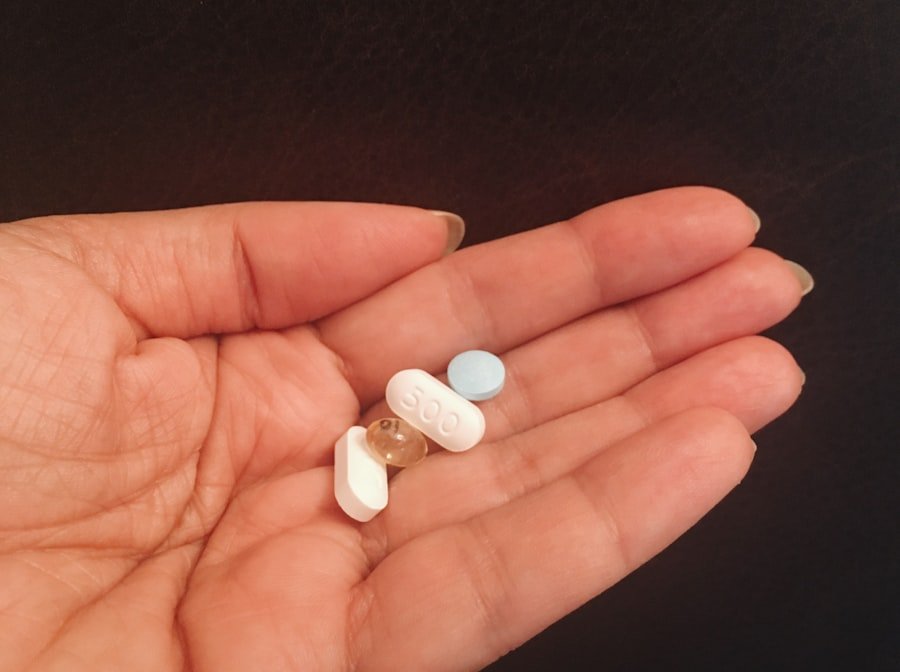
Calcium is a vital mineral necessary for maintaining strong bones and teeth as well as supporting various bodily functions such as muscle contraction and nerve transmission. After undergoing VSG surgery, patients may face challenges in meeting their calcium needs due to dietary restrictions and reduced food intake capacity. Insufficient calcium levels can lead to bone density loss over time, increasing the risk of osteoporosis and fractures—conditions that are particularly concerning for individuals who have experienced significant weight loss.
To ensure adequate calcium intake post-surgery, VSG patients should focus on incorporating calcium-rich foods into their diets. Dairy products such as milk, yogurt, and cheese are excellent sources of calcium; however, those who are lactose intolerant or prefer non-dairy options can turn to fortified plant-based alternatives like almond milk or soy milk. Leafy green vegetables like kale and broccoli also provide calcium but may require larger quantities to meet daily needs due to lower bioavailability compared to dairy sources.
In many cases, healthcare providers recommend calcium supplementation—often in combination with vitamin D—to enhance absorption and support bone health effectively.
Vitamin C: Supporting Immune Health After VSG
Vitamin C is a powerful antioxidant that plays a crucial role in supporting immune function and promoting wound healing—two critical aspects for individuals recovering from VSG surgery. This water-soluble vitamin aids in collagen synthesis, which is essential for tissue repair following surgical procedures. Adequate vitamin C levels can help reduce recovery time and improve overall healing outcomes by supporting the body’s natural defense mechanisms against infections.
In addition to its role in wound healing, vitamin C also enhances iron absorption from plant-based sources—a significant consideration for VSG patients who may struggle with iron intake post-surgery. Foods rich in vitamin C include citrus fruits like oranges and grapefruits, strawberries, kiwi fruit, bell peppers, and broccoli. However, due to dietary restrictions following surgery and potential changes in taste preferences or tolerance levels for certain foods, it may be challenging for some patients to consume enough vitamin C through diet alone.
Therefore, supplementation may be necessary to ensure optimal levels are maintained during recovery.
Zinc: The Essential Mineral for Wound Healing After VSG
Zinc is an essential trace mineral that plays a vital role in numerous biological processes within the body. It is particularly important for wound healing—a critical concern for individuals recovering from VSG surgery due to incisions made during the procedure. Zinc contributes to cellular repair processes and supports immune function by aiding in the development of white blood cells that fight off infections.
A deficiency in zinc can lead to delayed wound healing and increased susceptibility to infections during recovery. For VSG patients, ensuring adequate zinc intake is crucial not only for wound healing but also for overall health maintenance. Foods rich in zinc include meat (especially red meat), shellfish (such as oysters), legumes (like chickpeas and lentils), seeds (pumpkin seeds), nuts (cashews), dairy products, and whole grains.
However, similar to other nutrients discussed previously, dietary restrictions following surgery may limit the variety of foods consumed by patients. As a result, healthcare providers often recommend zinc supplementation as part of a comprehensive post-operative nutrition plan to ensure that patients meet their daily requirements effectively. In summary, understanding the importance of vitamins and minerals after VSG surgery is essential for promoting optimal health outcomes during recovery.
Each nutrient plays a unique role in supporting bodily functions ranging from immune health to bone strength and energy metabolism. By prioritizing nutrient intake through diet and supplementation where necessary, VSG patients can significantly enhance their recovery experience while minimizing the risk of deficiencies that could impede their progress toward achieving long-term health goals.