Gastric bypass surgery is a transformative procedure that significantly alters the digestive system, leading to substantial weight loss and improvements in obesity-related health conditions. However, this surgical intervention also necessitates a heightened awareness of nutritional needs, particularly regarding essential vitamins and minerals. The anatomical changes resulting from the surgery can impair the body’s ability to absorb nutrients effectively, making it crucial for patients to understand the importance of maintaining adequate vitamin levels to support their overall health and well-being.
After gastric bypass surgery, the stomach is reduced in size, and a portion of the small intestine is bypassed. This alteration can lead to malabsorption of vital nutrients, including essential vitamins. Patients may experience deficiencies that can have serious health implications if not addressed.

Therefore, understanding the role of vitamins in bodily functions and the specific risks associated with deficiencies post-surgery is paramount for anyone undergoing this life-changing procedure. A proactive approach to nutrition can help mitigate these risks and promote long-term health.
Key Takeaways
- Vitamin A is crucial for health and often deficient after gastric bypass surgery.
- Gastric bypass patients have specific daily vitamin A intake recommendations to prevent deficiencies.
- Natural sources of vitamin A include certain fruits, vegetables, and supplements tailored for post-surgery needs.
- Excessive vitamin A supplementation can cause side effects, so careful dosing is important.
- Regular consultation with healthcare professionals ensures safe and effective vitamin A management post-surgery.
The Role of Vitamin A in Supporting Overall Health and Well-being

Vitamin A is a fat-soluble vitamin that plays a critical role in numerous physiological processes. It is essential for maintaining healthy vision, supporting immune function, and promoting cellular communication. Additionally, vitamin A is vital for skin health and plays a significant role in reproductive health and embryonic development.
The two primary forms of vitamin A are retinol, found in animal products, and provitamin A carotenoids, which are found in plant-based foods. This vitamin’s multifaceted contributions to health underscore its importance, particularly for individuals who have undergone gastric bypass surgery. In the context of gastric bypass patients, vitamin A’s role becomes even more pronounced.
The surgery can lead to reduced intake and absorption of this essential nutrient, which may compromise various bodily functions. For instance, adequate vitamin A levels are crucial for maintaining the integrity of epithelial tissues, which line the respiratory, gastrointestinal, and urogenital tracts. A deficiency in vitamin A can lead to increased susceptibility to infections and complications, making it imperative for patients to prioritize their intake of this vital nutrient.
Common Deficiencies in Vitamin A After Gastric Bypass Surgery

Post-gastric bypass patients are at an increased risk of developing vitamin A deficiencies due to several factors. The surgical alteration of the digestive tract can significantly reduce the surface area available for nutrient absorption. Additionally, dietary restrictions often imposed after surgery may limit the intake of foods rich in vitamin As a result, many patients may find themselves lacking this essential nutrient, which can lead to a range of health issues.
Common symptoms of vitamin A deficiency include night blindness, dry eyes, and an increased risk of infections. In severe cases, prolonged deficiency can lead to more serious complications such as xerophthalmia, a condition characterized by dryness of the conjunctiva and cornea that can result in blindness if left untreated. Furthermore, deficiencies can impair immune function, making patients more vulnerable to illnesses.
Recognizing these potential deficiencies is crucial for gastric bypass patients as they navigate their post-operative dietary landscape.
Recommended Daily Intake of Vitamin A for Gastric Bypass Patients
The recommended daily intake of vitamin A varies based on age, sex, and life stage. For adult men, the recommended dietary allowance (RDA) is approximately 900 micrograms (mcg) of retinol activity equivalents (RAE) per day, while adult women require about 700 mcg RAE daily. However, gastric bypass patients may need tailored recommendations due to their unique nutritional challenges.
Healthcare professionals often suggest that these individuals monitor their vitamin A levels closely and consider supplementation if necessary. It is essential for gastric bypass patients to work with their healthcare providers to determine their specific needs for vitamin A intake. Regular blood tests can help assess vitamin levels and guide dietary adjustments or supplementation strategies.
This personalized approach ensures that patients receive adequate amounts of this vital nutrient while minimizing the risk of toxicity associated with excessive supplementation.
Sources of Vitamin A for Gastric Bypass Patients
| Vitamin | Recommended Daily Dose | Purpose | Common Deficiency Symptoms | Notes for Gastric Bypass Patients |
|---|---|---|---|---|
| Vitamin B12 | 350-500 mcg (oral) or 1000 mcg (injection) | Red blood cell formation, nerve function | Fatigue, neuropathy, anemia | Absorption reduced; injections often recommended |
| Vitamin D | 3000 IU | Calcium absorption, bone health | Bone pain, muscle weakness | Supplementation critical to prevent bone loss |
| Calcium (Citrate form) | 1200-1500 mg | Bone strength, muscle function | Osteoporosis, muscle cramps | Calcium citrate preferred due to better absorption |
| Iron | 45-60 mg | Hemoglobin production | Anemia, fatigue, pallor | Take with vitamin C; avoid calcium at same time |
| Folate (Folic Acid) | 400-800 mcg | DNA synthesis, cell growth | Anemia, fatigue | Important for women of childbearing age |
| Multivitamin | 1-2 tablets daily | General nutrient support | Varies | Choose bariatric-specific formulations |
Incorporating sufficient sources of vitamin A into the diet is crucial for gastric bypass patients. Foods rich in retinol include liver, fish oils, eggs, and dairy products such as milk and cheese. These animal-based sources provide readily absorbable forms of vitamin A that are particularly beneficial for individuals with altered digestive systems.
For those who prefer plant-based options or have dietary restrictions, carotenoid-rich foods such as carrots, sweet potatoes, spinach, kale, and apricots can serve as excellent alternatives. While whole foods should be prioritized for nutrient intake, supplementation may be necessary for some gastric bypass patients who struggle to meet their vitamin A needs through diet alone. Multivitamins specifically formulated for bariatric patients often contain appropriate levels of vitamin A alongside other essential nutrients.
It is important for patients to choose high-quality supplements that are easily absorbed and formulated to address their unique post-surgical requirements.
Potential Risks and Side Effects of Vitamin A Supplementation
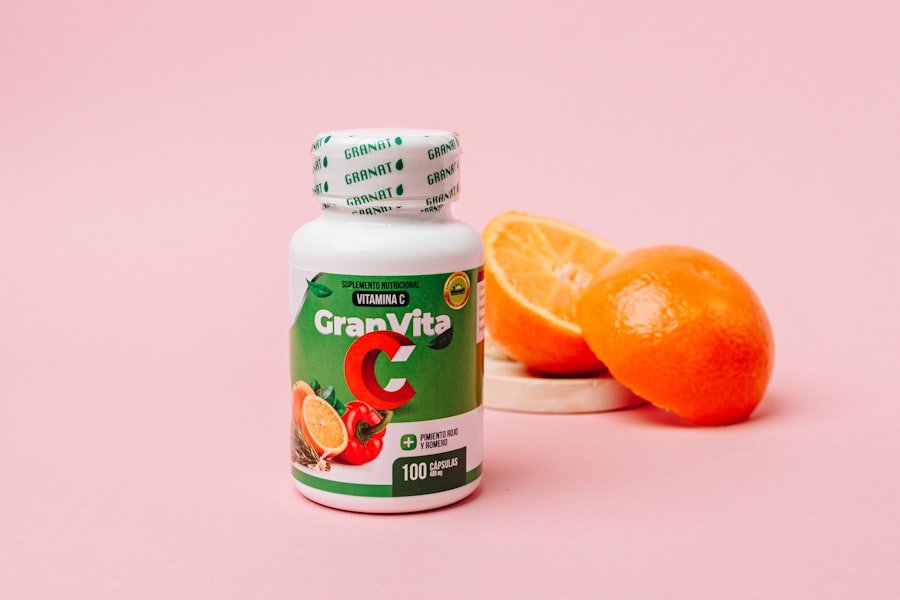
While vitamin A is essential for health, excessive intake can lead to toxicity known as hypervitaminosis This condition can result from consuming high doses of supplements or excessive amounts of liver or other animal products rich in retinol. Symptoms of toxicity may include nausea, headaches, dizziness, blurred vision, and even more severe complications such as liver damage or intracranial pressure increases. For gastric bypass patients, the risk of toxicity is particularly relevant due to altered absorption rates and potential changes in metabolism following surgery.
Therefore, it is crucial for these individuals to adhere to recommended dosages when supplementing with vitamin A and to regularly consult with healthcare professionals regarding their intake levels. Monitoring blood levels can help ensure that patients remain within safe limits while still receiving adequate amounts of this vital nutrient.
Tips for Incorporating Vitamin A into a Gastric Bypass Diet
Incorporating vitamin A into a post-gastric bypass diet requires careful planning and consideration of food choices. One effective strategy is to focus on colorful fruits and vegetables that are high in carotenoids. For instance, adding sweet potatoes or carrots to meals not only enhances flavor but also boosts vitamin A content significantly.
Leafy greens like spinach and kale can be included in salads or smoothies to provide both nutrients and fiber. Additionally, incorporating healthy fats into meals can enhance the absorption of fat-soluble vitamins like vitamin For example, drizzling olive oil over roasted vegetables or adding avocado to salads can improve nutrient uptake while providing additional health benefits. It is also beneficial for patients to experiment with different cooking methods—such as steaming or roasting—to retain the maximum nutritional value of their food while making it more palatable.
Consulting with a Healthcare Professional for Personalized Vitamin A Recommendations
Given the complexities surrounding nutrition after gastric bypass surgery, consulting with a healthcare professional is essential for personalized guidance on vitamin A intake. Registered dietitians specializing in bariatric nutrition can provide tailored advice based on individual dietary preferences, lifestyle factors, and specific health needs. They can help develop meal plans that ensure adequate vitamin A intake while addressing other nutritional requirements.
Regular follow-ups with healthcare providers are also important for monitoring vitamin levels through blood tests and adjusting dietary or supplementation strategies as needed. This collaborative approach empowers gastric bypass patients to take charge of their health by making informed decisions about their nutrition while minimizing the risk of deficiencies or excesses that could impact their recovery and long-term well-being.