
Vitamins are organic compounds that play a crucial role in maintaining various bodily functions. They are essential nutrients that the body cannot synthesize in sufficient quantities, necessitating their intake through diet or supplements. Each vitamin has a unique role, contributing to processes such as energy production, immune function, and cellular repair.
For instance, Vitamin A is vital for vision and immune health, while the B vitamins are integral to energy metabolism. The absence of these nutrients can lead to deficiencies that manifest in various health issues, ranging from fatigue and weakened immunity to more severe conditions like scurvy or rickets. The significance of vitamins extends beyond mere survival; they are fundamental to overall well-being.

A balanced intake of vitamins can enhance physical performance, improve mental clarity, and promote longevity. For example, Vitamin C is well-known for its role in collagen synthesis and skin health, while Vitamin E acts as a powerful antioxidant that protects cells from oxidative stress. Understanding the importance of these micronutrients is essential for anyone looking to optimize their health and prevent chronic diseases.
The modern diet, often lacking in whole foods and rich in processed items, can lead to vitamin deficiencies, making awareness and education about vitamins more critical than ever.
Key Takeaways
- Vitamins are essential for overall health, supporting immune function, energy, and skin health.
- Vitamin C boosts the immune system, while Vitamin D supports bone health and immunity.
- Vitamin B Complex enhances energy levels and metabolism.
- Vitamin E acts as a powerful antioxidant benefiting skin and heart health.
- Always consult a healthcare professional to tailor vitamin supplements to your individual needs.
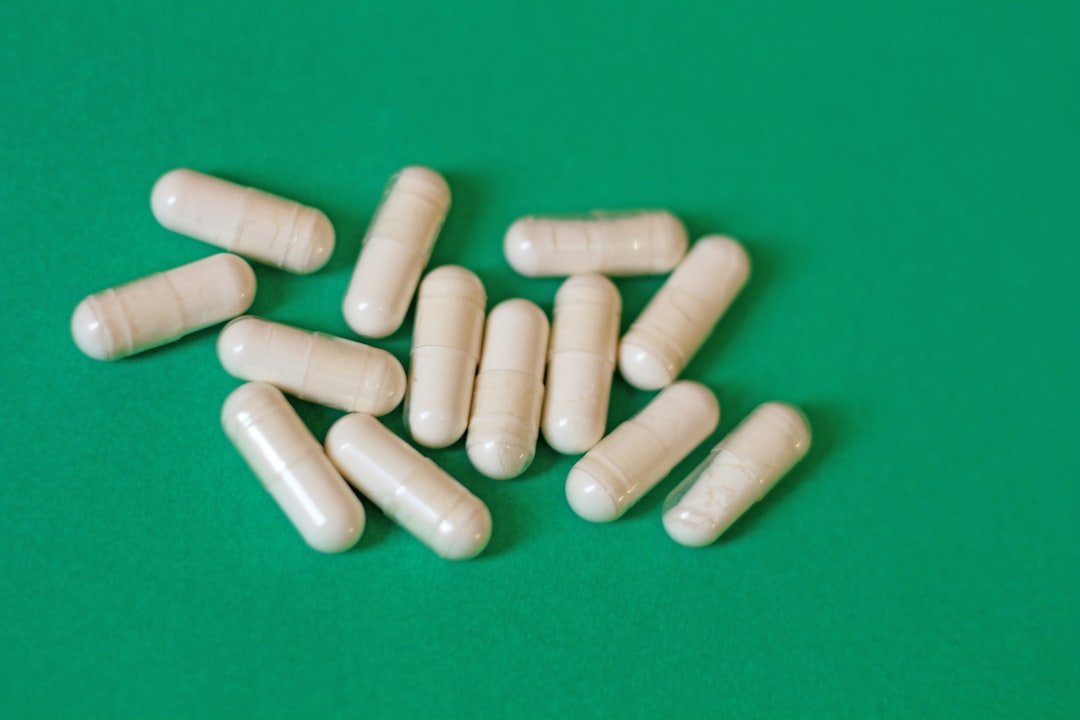
Choosing the Right Vitamins for Your Health Needs
Selecting the appropriate vitamins tailored to individual health needs requires a nuanced understanding of one’s lifestyle, dietary habits, and specific health conditions. For instance, individuals who follow a vegetarian or vegan diet may need to pay particular attention to Vitamin B12, which is predominantly found in animal products. Similarly, pregnant women have increased requirements for folic acid to support fetal development and prevent neural tube defects.
Therefore, recognizing personal dietary restrictions and health goals is the first step in making informed choices about vitamin supplementation. Moreover, age and gender also play significant roles in determining vitamin needs. Older adults may require higher doses of Vitamin D to maintain bone density and prevent osteoporosis, while women of childbearing age might need additional iron to combat menstrual blood loss.
It is also essential to consider lifestyle factors such as physical activity levels; athletes may benefit from increased B vitamins for energy metabolism and recovery. By assessing these variables, individuals can make educated decisions about which vitamins to incorporate into their daily regimen, ensuring they meet their unique health requirements.
The Benefits of Vitamin C for Immune Support

Vitamin C, also known as ascorbic acid, is widely recognized for its immune-boosting properties. This water-soluble vitamin plays a pivotal role in the functioning of immune cells, enhancing their ability to combat infections. Research has shown that adequate levels of Vitamin C can reduce the duration and severity of respiratory infections, including the common cold.
It achieves this by promoting the production of white blood cells, which are essential for fighting off pathogens. Furthermore, Vitamin C acts as an antioxidant, neutralizing free radicals that can cause cellular damage and inflammation. In addition to its immune-supportive functions, Vitamin C is crucial for collagen synthesis, which is vital for skin health and wound healing.
The skin acts as the body’s first line of defense against pathogens, and maintaining its integrity is essential for overall immunity. Foods rich in Vitamin C, such as citrus fruits, strawberries, bell peppers, and broccoli, should be staples in a balanced diet. For those who struggle to meet their daily requirements through food alone, supplementation may be beneficial, particularly during cold and flu season or periods of increased stress when the body’s demand for this vitamin rises.
The Role of Vitamin D in Bone Health and Immune Function
Vitamin D is often referred to as the “sunshine vitamin” because it is synthesized in the skin upon exposure to sunlight. This fat-soluble vitamin plays a multifaceted role in maintaining bone health by facilitating calcium absorption in the intestines. A deficiency in Vitamin D can lead to weakened bones and conditions such as osteomalacia in adults or rickets in children.
Beyond its skeletal benefits, Vitamin D also plays a significant role in modulating the immune system. It enhances the pathogen-fighting effects of monocytes and macrophages—white blood cells that are crucial for immune defense. Research has increasingly highlighted the connection between Vitamin D levels and various health outcomes beyond bone health.
Studies suggest that adequate Vitamin D levels may reduce the risk of autoimmune diseases and respiratory infections. For instance, individuals with sufficient Vitamin D levels have been shown to have a lower incidence of influenza and other viral infections. Given that many people have insufficient levels of Vitamin D due to limited sun exposure or lifestyle factors, it is advisable to monitor levels through blood tests and consider supplementation if necessary.
How Vitamin B Complex Can Boost Energy and Metabolism
| Vitamin | Recommended Daily Allowance (RDA) | Common Benefits | Sources |
|---|---|---|---|
| Vitamin A | 700-900 mcg | Supports vision, immune function, and skin health | Carrots, sweet potatoes, spinach |
| Vitamin B12 | 2.4 mcg | Supports nerve function and red blood cell production | Meat, dairy, fortified cereals |
| Vitamin C | 75-90 mg | Antioxidant, supports immune system and skin health | Citrus fruits, strawberries, bell peppers |
| Vitamin D | 600-800 IU | Supports bone health and immune function | Sunlight, fortified milk, fatty fish |
| Vitamin E | 15 mg | Antioxidant, supports skin and eye health | Nuts, seeds, vegetable oils |
The B vitamins comprise a group of eight essential nutrients that play a vital role in energy production and metabolism. These include B1 (thiamine), B2 (riboflavin), B3 (niacin), B5 (pantothenic acid), B6 (pyridoxine), B7 (biotin), B9 (folate), and B12 (cobalamin). Each B vitamin contributes uniquely to metabolic processes; for example, B1 helps convert carbohydrates into energy, while B12 is crucial for red blood cell formation and neurological function.
A deficiency in any of these vitamins can lead to fatigue, weakness, and impaired cognitive function. Moreover, B vitamins are particularly important for individuals with high physical demands or those experiencing stress. Athletes often require higher amounts of these vitamins to support energy metabolism during intense training sessions.
Additionally, stress can deplete B vitamin levels in the body; therefore, ensuring adequate intake through diet or supplementation can help mitigate fatigue and enhance overall performance. Foods rich in B vitamins include whole grains, legumes, eggs, dairy products, leafy greens, and meats. For those who may not consume these foods regularly or have increased needs due to lifestyle factors, a B complex supplement can be an effective way to ensure adequate intake.
The Power of Vitamin E as an Antioxidant for Skin and Heart Health

Vitamin E is a fat-soluble antioxidant that plays a critical role in protecting cells from oxidative damage caused by free radicals. This vitamin is particularly beneficial for skin health; it helps maintain skin elasticity and hydration while reducing signs of aging such as wrinkles and fine lines. Topical applications of Vitamin E oil are popular among skincare enthusiasts for their moisturizing properties and ability to promote healing from scars or sunburns.
Additionally, dietary sources of Vitamin E—such as nuts, seeds, spinach, and avocados—contribute to overall skin vitality. Beyond its dermatological benefits, Vitamin E also supports cardiovascular health by preventing the oxidation of LDL cholesterol—a key factor in the development of atherosclerosis. By inhibiting this oxidation process, Vitamin E helps maintain healthy blood vessels and reduces the risk of heart disease.
Research has indicated that individuals with higher dietary intakes of Vitamin E have lower rates of heart-related issues. As with other vitamins, achieving optimal levels through a balanced diet is ideal; however, supplementation may be necessary for those at risk of deficiency or with specific health concerns.
Incorporating Vitamin Supplements into Your Daily Routine
Incorporating vitamin supplements into one’s daily routine can be a straightforward process when approached thoughtfully. The first step is identifying specific health needs based on dietary habits, lifestyle factors, and any existing medical conditions. Once these needs are established, individuals can choose supplements that align with their goals—whether it’s boosting immunity with Vitamin C or supporting bone health with Vitamin D.
It’s essential to select high-quality supplements from reputable brands that undergo third-party testing to ensure potency and purity. Timing can also play a role in how effectively vitamins are absorbed by the body. For instance, fat-soluble vitamins like A, D, E, and K are best taken with meals containing fat for optimal absorption.
Conversely, water-soluble vitamins such as B vitamins and Vitamin C can be taken on an empty stomach or with food depending on personal preference. Establishing a routine—such as taking supplements at the same time each day—can help reinforce consistency and make it easier to remember to take them regularly.
Consulting with a Healthcare Professional for Personalized Vitamin Recommendations
While general knowledge about vitamins can guide individuals toward better health choices, consulting with a healthcare professional provides personalized insights tailored to specific needs. Healthcare providers can conduct assessments through blood tests to identify deficiencies or imbalances that may not be apparent through symptoms alone. This personalized approach ensures that individuals receive targeted recommendations based on their unique health profiles rather than relying on generalized advice.
Moreover, healthcare professionals can help navigate potential interactions between supplements and medications or underlying health conditions. For example, certain supplements may interfere with blood thinners or other medications; thus, professional guidance is crucial for safe supplementation practices. By working closely with healthcare providers—such as doctors or registered dietitians—individuals can develop a comprehensive plan that includes dietary changes alongside appropriate supplementation strategies tailored to their health goals and lifestyle needs.