Vitamin D is essential for multiple physiological functions, including calcium absorption, bone mineralization, and immune system regulation. Bariatric surgery procedures alter the anatomy of the digestive tract, which can significantly impair the absorption of fat-soluble vitamins, including vitamin D. These anatomical changes may lead to reduced surface area for absorption and altered bile acid metabolism, resulting in decreased vitamin D bioavailability.
Post-bariatric surgery patients face an increased risk of vitamin D deficiency due to malabsorption. This deficiency can lead to secondary hyperparathyroidism, bone demineralization, and increased fracture risk. Studies have documented higher rates of osteoporosis and osteopenia in bariatric patients compared to the general population, making vitamin D supplementation a critical component of post-operative care.

Clinical research has also established associations between vitamin D deficiency and mood disorders, including depression and anxiety. Vitamin D receptors are present in brain tissue, and the vitamin plays a role in neurotransmitter synthesis and regulation. For bariatric patients, who may already be at risk for psychological challenges during their weight loss journey, maintaining adequate vitamin D levels may support both physical and mental health outcomes.
Regular monitoring of vitamin D status and appropriate supplementation protocols are therefore standard components of long-term post-bariatric surgery care.
Key Takeaways
- Vitamin D is crucial for bone health and overall recovery after bariatric surgery.
- Bariatric surgery can impair vitamin D absorption, leading to deficiency risks.
- Maintaining recommended vitamin D levels is essential for bariatric patients’ health.
- Supplementation and dietary sources are key to ensuring adequate vitamin D intake.
- Regular monitoring helps prevent complications related to vitamin D deficiency post-surgery.

Challenges in Absorbing Vitamin D After Bariatric Surgery
Bariatric surgery alters the gastrointestinal tract in ways that can significantly hinder the absorption of various nutrients, including vitamin D. Procedures such as gastric bypass or sleeve gastrectomy reduce the stomach’s size and can bypass portions of the small intestine where vitamin D is typically absorbed. This anatomical change can lead to a decreased ability to absorb fat-soluble vitamins, including vitamin D, which relies on dietary fats for optimal absorption.
Additionally, many bariatric patients experience changes in their dietary habits post-surgery. The initial phase of recovery often involves a liquid diet that may lack sufficient sources of vitamin D. As patients transition to solid foods, they may still struggle to consume adequate amounts of this nutrient due to reduced appetite or aversions to certain foods.
These challenges create a perfect storm for vitamin D deficiency, making it imperative for patients to be proactive about their nutritional intake and supplementation.
Recommended Vitamin D Levels for Bariatric Patients

The recommended levels of vitamin D for bariatric patients are generally higher than those for the general population due to the increased risk of deficiency following surgery. The Endocrine Society recommends that adults maintain serum 25-hydroxyvitamin D levels above 30 ng/mL (75 nmol/L) for optimal health. However, many bariatric specialists suggest aiming for levels between 40-60 ng/mL (100-150 nmol/L) to account for the unique challenges faced by these patients.
Regular monitoring of vitamin D levels is essential in the post-operative phase. Many healthcare providers recommend checking serum levels at regular intervals—typically every three to six months during the first year after surgery and annually thereafter. This proactive approach allows for timely interventions, such as adjusting supplementation dosages or dietary recommendations, ensuring that patients maintain adequate vitamin D levels throughout their recovery journey.
Sources of Vitamin D for Bariatric Patients
For bariatric patients, obtaining sufficient vitamin D from dietary sources can be challenging due to altered eating patterns and restrictions on certain food groups. However, there are several effective sources of vitamin D that can be incorporated into their diets. Fatty fish such as salmon, mackerel, and sardines are excellent sources of vitamin D and can be included in meals as patients progress to solid foods.
Additionally, fortified foods such as dairy products, orange juice, and cereals can provide a significant boost in vitamin D intake. In cases where dietary sources are insufficient or impractical, supplementation becomes a critical component of maintaining adequate vitamin D levels. Many healthcare providers recommend high-dose vitamin D supplements, often in the form of vitamin D3 (cholecalciferol), which is more effective at raising serum levels than vitamin D2 (ergocalciferol).
The specific dosage should be tailored to each patient’s individual needs based on their serum levels and overall health status.
Strategies for Optimizing Vitamin D Absorption
| Metric | Value/Range | Notes |
|---|---|---|
| Prevalence of Vitamin D Deficiency | 60-80% | Common in patients prior to bariatric surgery |
| Recommended Vitamin D Supplementation Dose | 3000-6000 IU/day | Higher doses often required post-surgery |
| Target Serum 25(OH)D Level | >30 ng/mL (75 nmol/L) | Optimal for bone health and metabolic function |
| Post-Surgery Vitamin D Deficiency Rate | 40-70% | Due to malabsorption and reduced intake |
| Common Vitamin D Form Used | Cholecalciferol (Vitamin D3) | Preferred for better absorption |
| Frequency of Monitoring Serum Vitamin D | Every 3-6 months | Recommended during first year post-surgery |
| Associated Bone Health Risk | Osteomalacia, Osteoporosis | Due to chronic vitamin D deficiency |
To enhance the absorption of vitamin D post-bariatric surgery, several strategies can be employed. First and foremost, it is essential to take vitamin D supplements with meals that contain healthy fats. Since vitamin D is a fat-soluble vitamin, consuming it alongside dietary fats can significantly improve its absorption.
Incorporating sources of healthy fats such as avocados, nuts, seeds, and olive oil into meals can create an optimal environment for vitamin D uptake. Another effective strategy involves timing and frequency of supplementation. Instead of taking a large dose once daily, splitting the dosage into smaller amounts taken throughout the day may improve absorption rates.
This approach aligns with the body’s natural rhythms and can help maintain more stable serum levels of vitamin D. Additionally, ensuring adequate magnesium intake is important since magnesium plays a role in converting vitamin D into its active form within the body.
Monitoring Vitamin D Levels After Bariatric Surgery
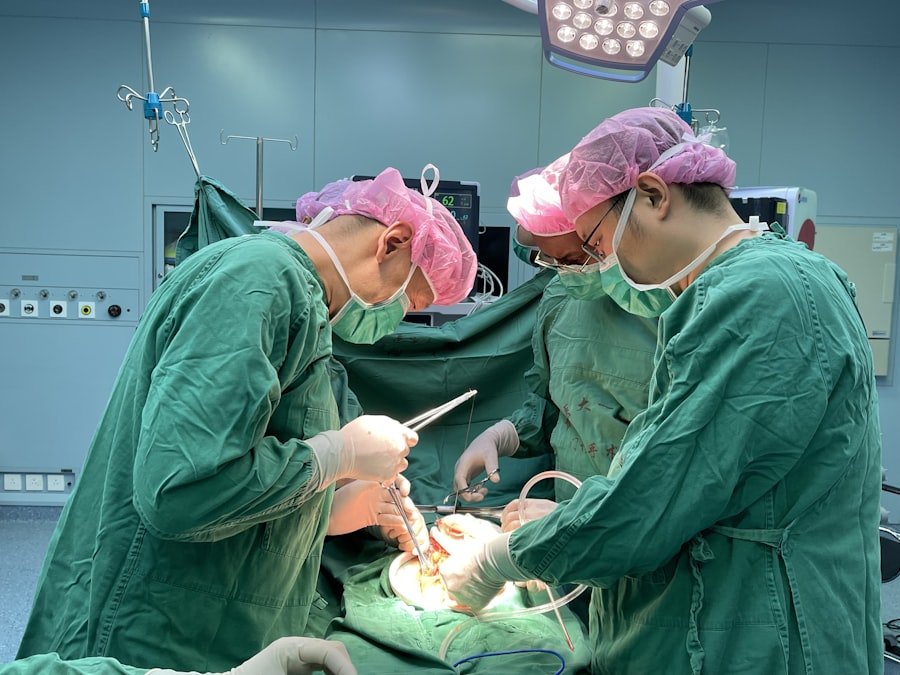
Monitoring vitamin D levels is a critical aspect of post-bariatric care. Regular blood tests measuring serum 25-hydroxyvitamin D concentrations provide valuable insights into a patient’s nutritional status and help guide supplementation strategies. The frequency of monitoring may vary based on individual circumstances; however, it is generally recommended that patients have their levels checked every three to six months during the first year after surgery.
Healthcare providers should also consider other factors that may influence vitamin D metabolism and absorption in bariatric patients. For instance, body mass index (BMI), age, skin color, geographic location, and sun exposure all play roles in determining an individual’s vitamin D status. By taking these factors into account during monitoring and assessment, healthcare providers can offer more personalized recommendations that align with each patient’s unique needs.
Potential Risks of Vitamin D Deficiency After Bariatric Surgery
The risks associated with vitamin D deficiency after bariatric surgery are multifaceted and can have serious implications for patient health. One of the most concerning outcomes is the increased risk of bone-related issues such as osteoporosis and fractures. Vitamin D is essential for calcium absorption; without adequate levels, patients may experience decreased bone mineral density over time.
This risk is particularly pronounced in individuals who have undergone malabsorptive procedures like gastric bypass. Beyond skeletal health, vitamin D deficiency has been linked to various other health concerns that can affect quality of life post-surgery. Research suggests that low levels of vitamin D may contribute to immune dysfunction, increasing susceptibility to infections and autoimmune diseases.
Furthermore, emerging studies indicate potential associations between vitamin D deficiency and metabolic syndrome components such as insulin resistance and hypertension. These risks underscore the importance of vigilant monitoring and proactive management of vitamin D levels in bariatric patients.
Importance of Maintaining Optimal Vitamin D Levels
Maintaining optimal vitamin D levels after bariatric surgery is paramount for ensuring long-term health and well-being. The unique challenges posed by altered nutrient absorption necessitate a comprehensive approach that includes dietary modifications, supplementation strategies, and regular monitoring. By prioritizing vitamin D intake and addressing potential deficiencies proactively, bariatric patients can mitigate risks associated with bone health and overall metabolic function.
The journey following bariatric surgery is complex and requires ongoing support from healthcare providers to navigate nutritional needs effectively. As research continues to evolve in this area, it becomes increasingly clear that adequate vitamin D levels are not merely a recommendation but a critical component of successful post-operative care. By fostering awareness around the importance of this vital nutrient, both patients and healthcare professionals can work together to promote optimal health outcomes in the years following bariatric surgery.